
CONSERVATION IN ACTION
PRESERVING MADIKWE GAME RESERVE
Conservation isn’t an abstract concept at Madikwe Safari Lodge.
From the transformation of former farmland during Operation Phoenix to the thriving, fully wild ecosystem guests experience today, Madikwe Game Reserve is a living example of what careful rewilding, ecological management, and responsible tourism can achieve.

What conservation looks like here
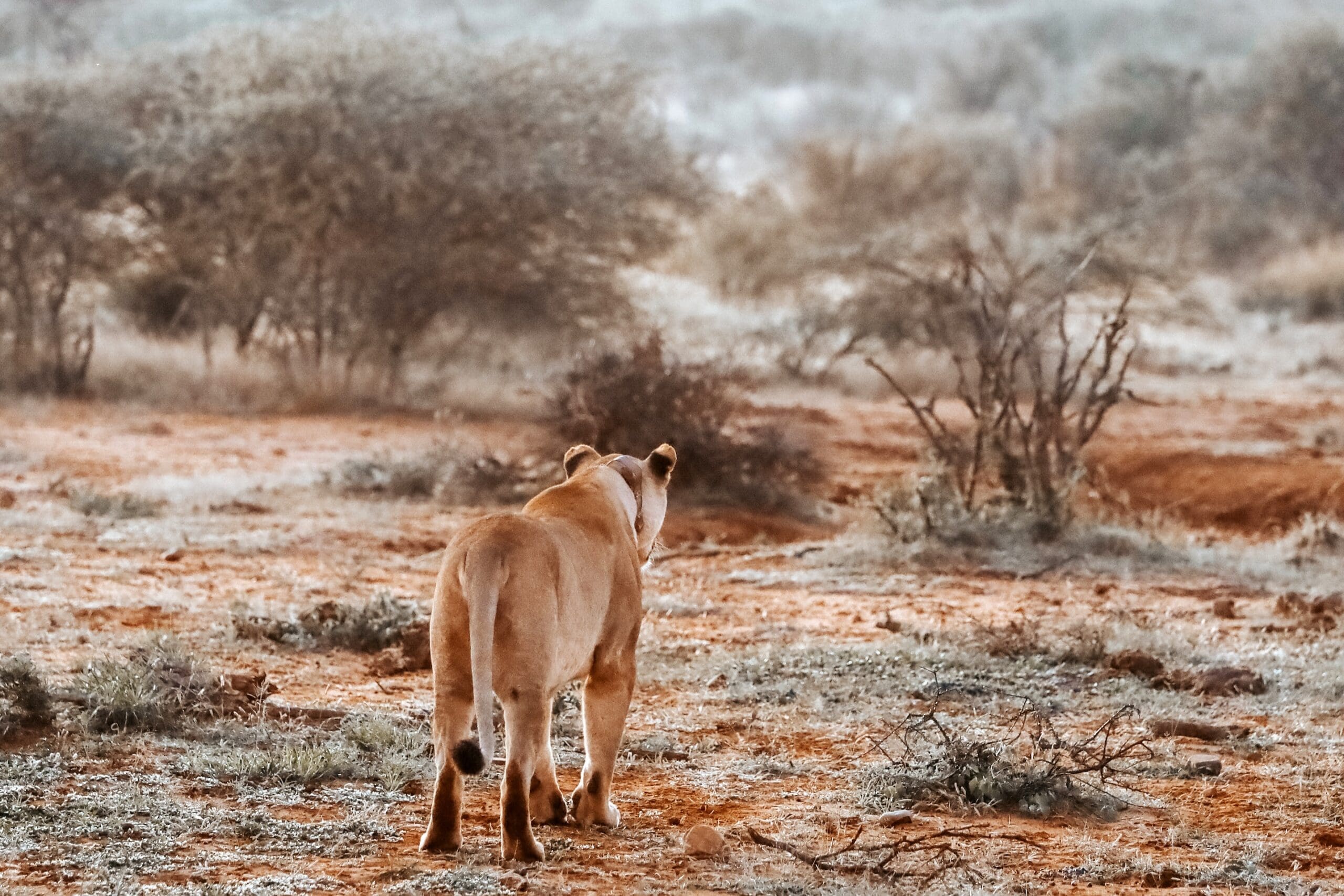
one of the world’s greatest conservation success stories
Madikwe Game Reserve is a wild landscape created from the ground up through Operation Phoenix, one of the largest wildlife translocation projects in history.
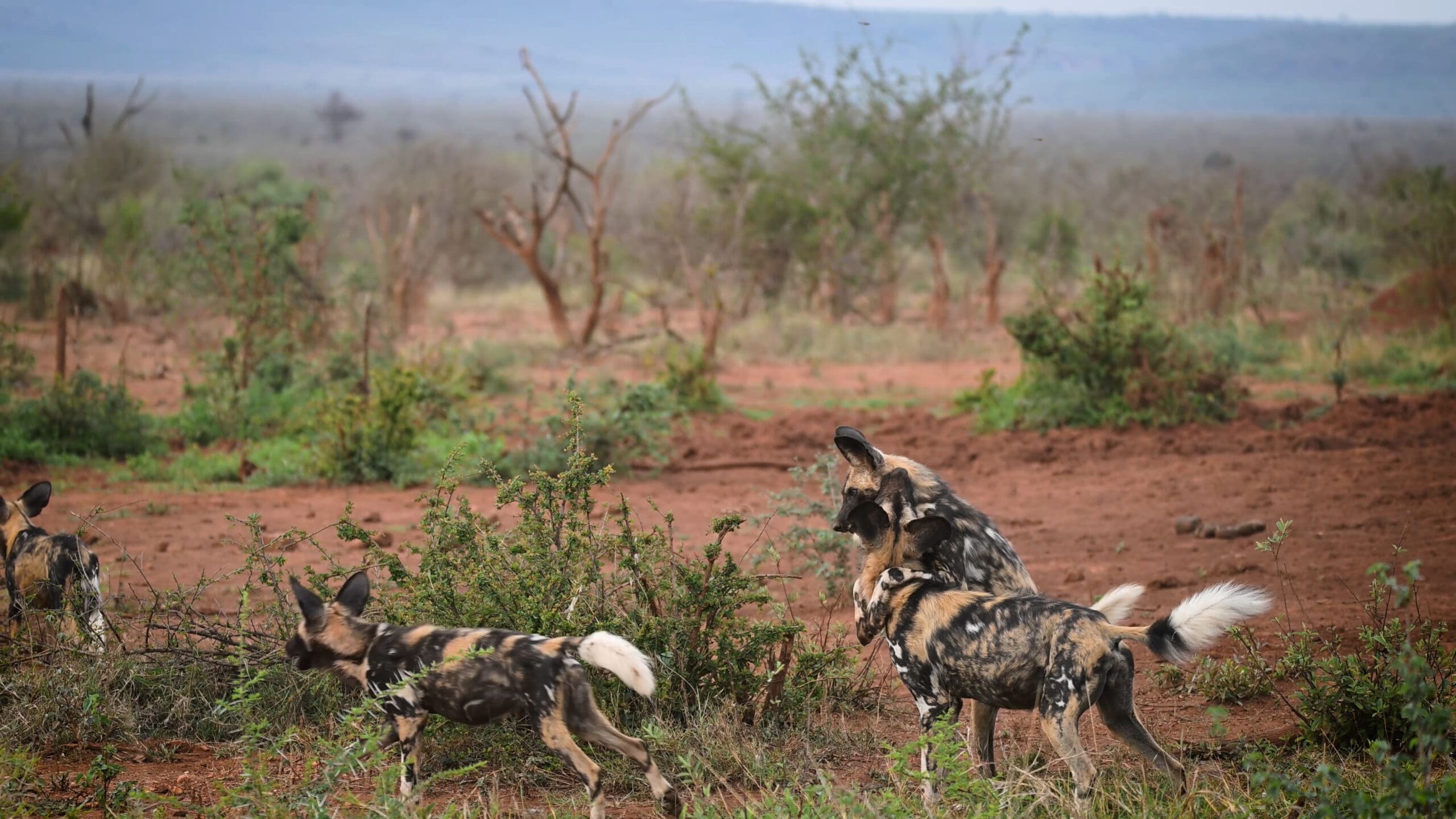
More than 8,000 animals were reintroduced to rebuild an entire ecosystem, from elephants and lions to brown hyena, wild dogs and plains game.
Today, Madikwe Game Reserve safeguards a rare ecological transition zone where the arid Kalahari meets the Lowveld savanna, creating an unusual overlap of species and habitats.
This is why you may see springbok, brown hyena and cheetah on the same drive as elephants, rhino and buffalo – a combination seldom found elsewhere.
.
.
.
Our three pillars OF conservation
Protecting the Reserve
We are dedicated to protecting the Reserve by supporting the reserve’s professional conservation teams and wildlife monitors, upholding strict game-drive ethics and vehicle limits to reduce pressure on wildlife.
Our safari DNA is built around respecting habitat sensitivity, nest sites, dens, and sensitive areas, and reducing our footprint through responsible water, waste, and energy practices.
Supporting Biodiversity
Supporting biodiversity means operating inside a biogeographic transition zone that supports exceptional species diversity.
We promote awareness of Madikwe’s “arid specials” (brown hyena, bat-eared fox, aardwolf, aardvark, wild dog, kori bustard) while encouraging slower, unpressured sightings to allow natural behaviour and relaxed wildlife interactions.
Furthermore, we focus on protecting sensitive habitats including rocky outcrops, sweet-grass plains, and red Kalahari sandveld zones.
Respecting the Land
Respecting the land involves minimising light pollution to preserve natural dark skies and maintaining quiet, respectful spaces that honour the stillness of the reserve.
This is achieved by ensuring all guiding adheres to a low-impact philosophy and encouraging guests to engage with the environment thoughtfully and respectfully.
How your stay helps
Every stay at Madikwe Safari Lodge directly contributes to the protection of Madikwe Game Reserve.
This happens through a conservation levy charged by the reserve and added to your booking.
your levies support
- Anti-poaching and wildlife protection teams
- Habitat and water resource management
- Ecological monitoring and research
- Species protection and biodiversity programmes
- Community employment and training linked to conservation
Ongoing Initiatives & Future Focus
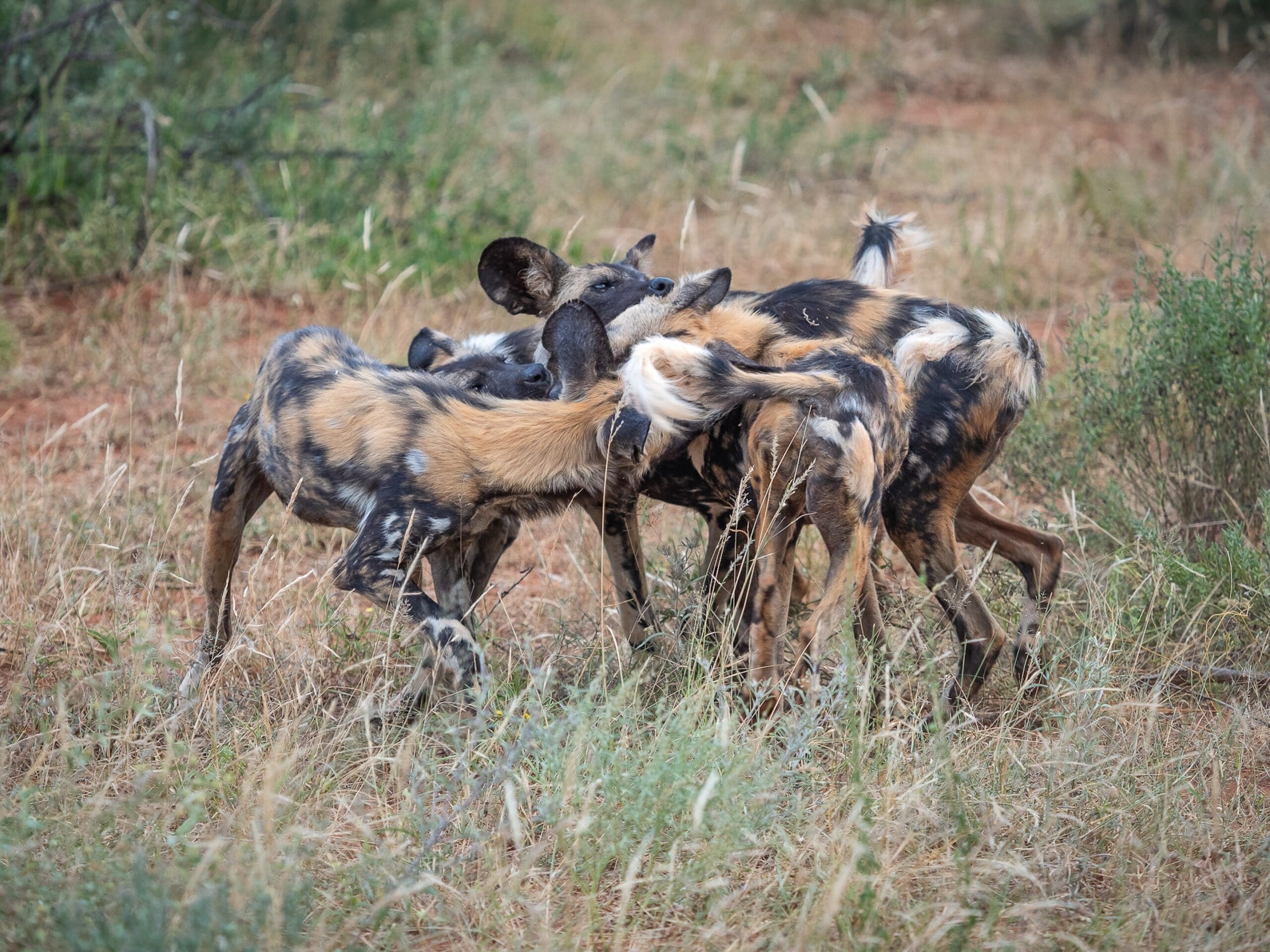
Wild dog conservation
Madikwe’s remains one of the strongest populations in South Africa, with stable pack structures and regular denning
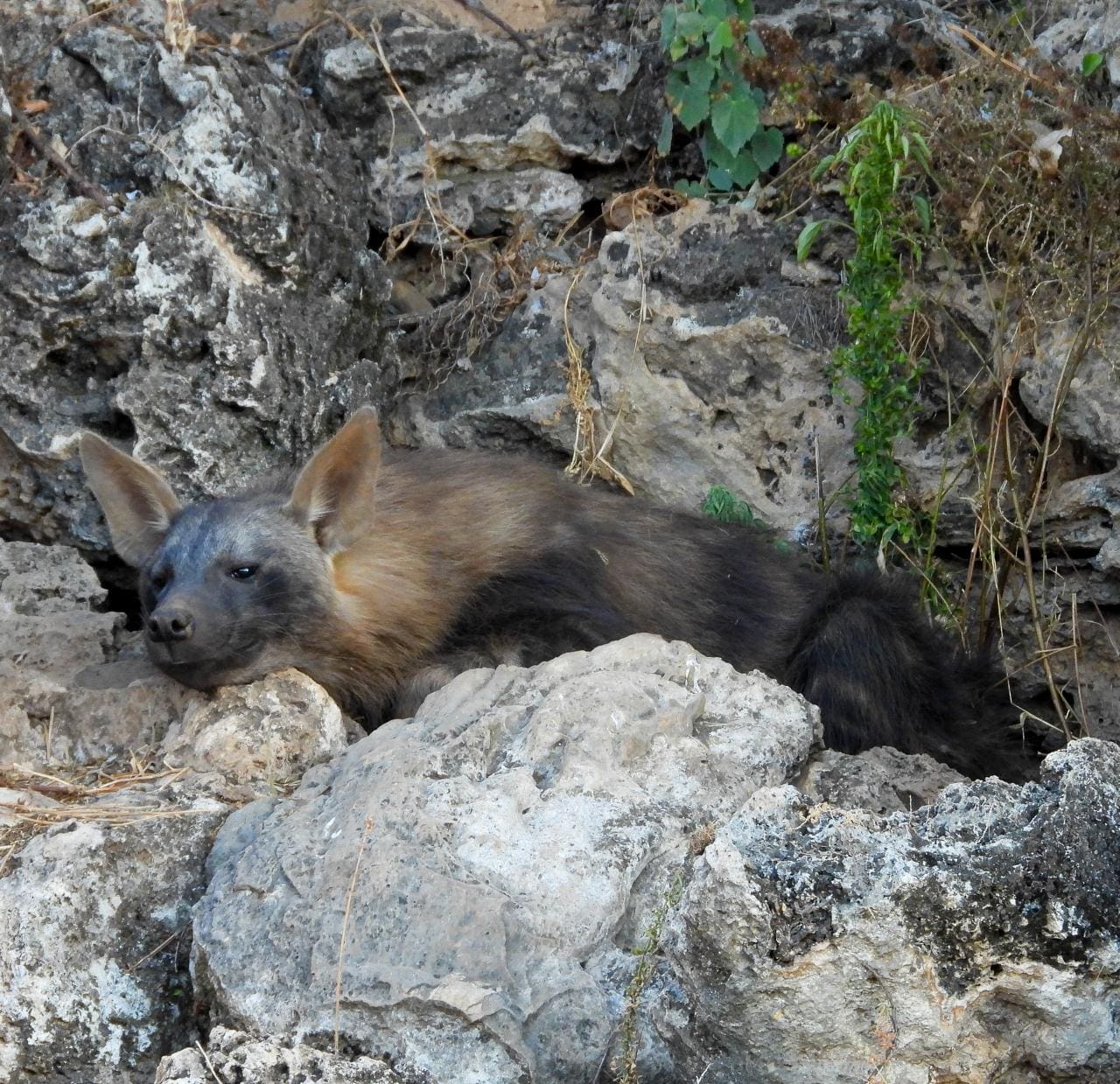
Brown hyena protection
A rare stronghold for this threatened species, supported by ideal habitat and protected denning sites.
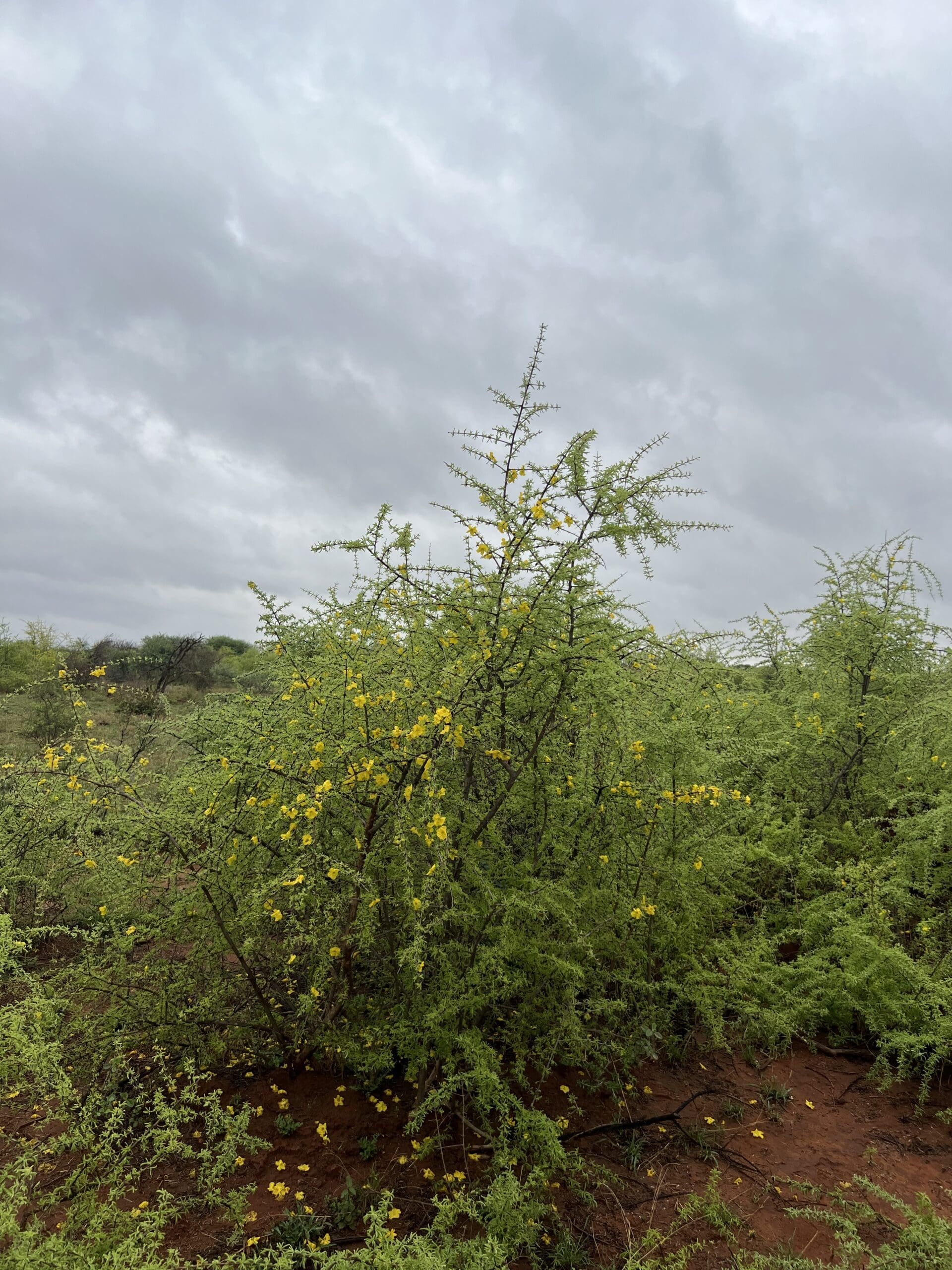
Habitat management
Alien clearing and sweet-grass savanna restoration.
Research partnerships
Tracking, monitoring and data sharing with ecological and academic teams.
GET INVOLVED
Guest Conservation experiences
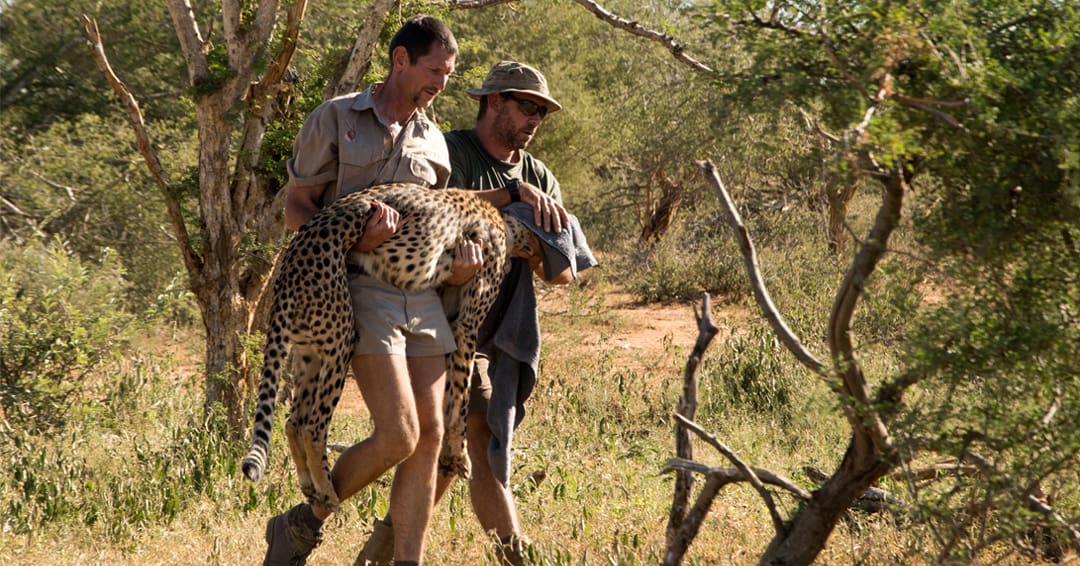
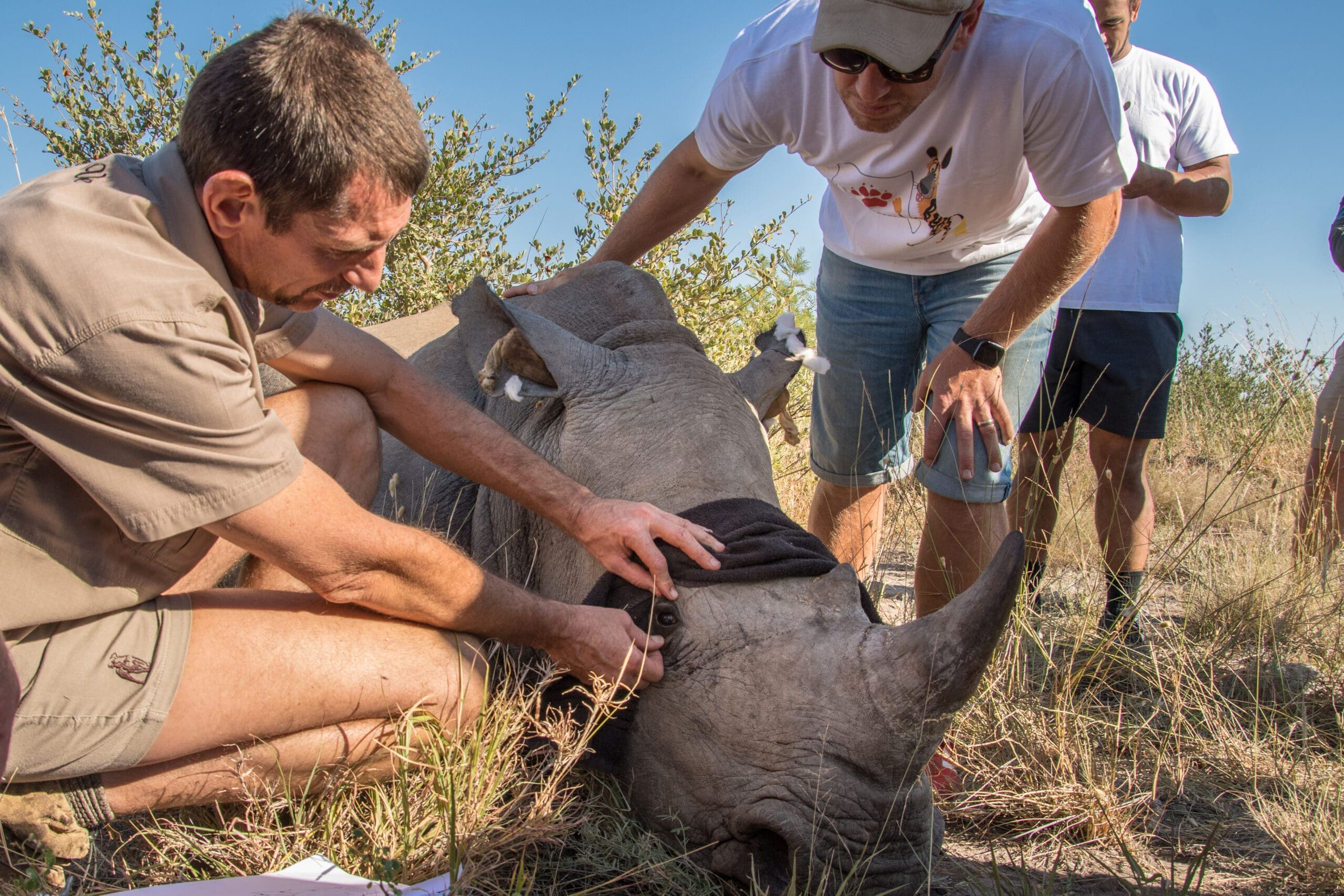
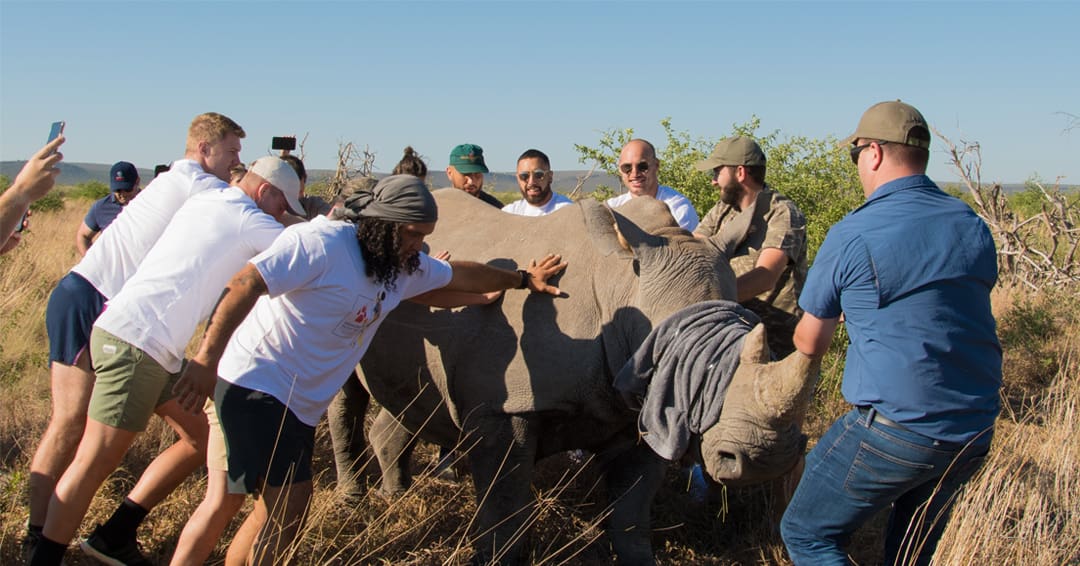
For guests who want to experience conservation in action, we offer Conservation Safaris, accompanying trained specialists on active conservation missions.
This could include rhino notching & microchipping, or wildlife collaring operations for elephants, lions, cheetahs or wild dogs.
*Strictly subject to reserve needs and availability
BE PART OF THE DIFFERENCE
FAQs
Madikwe runs an ongoing monitoring programme that helps conservation teams understand the health of the reserve and its wildlife.
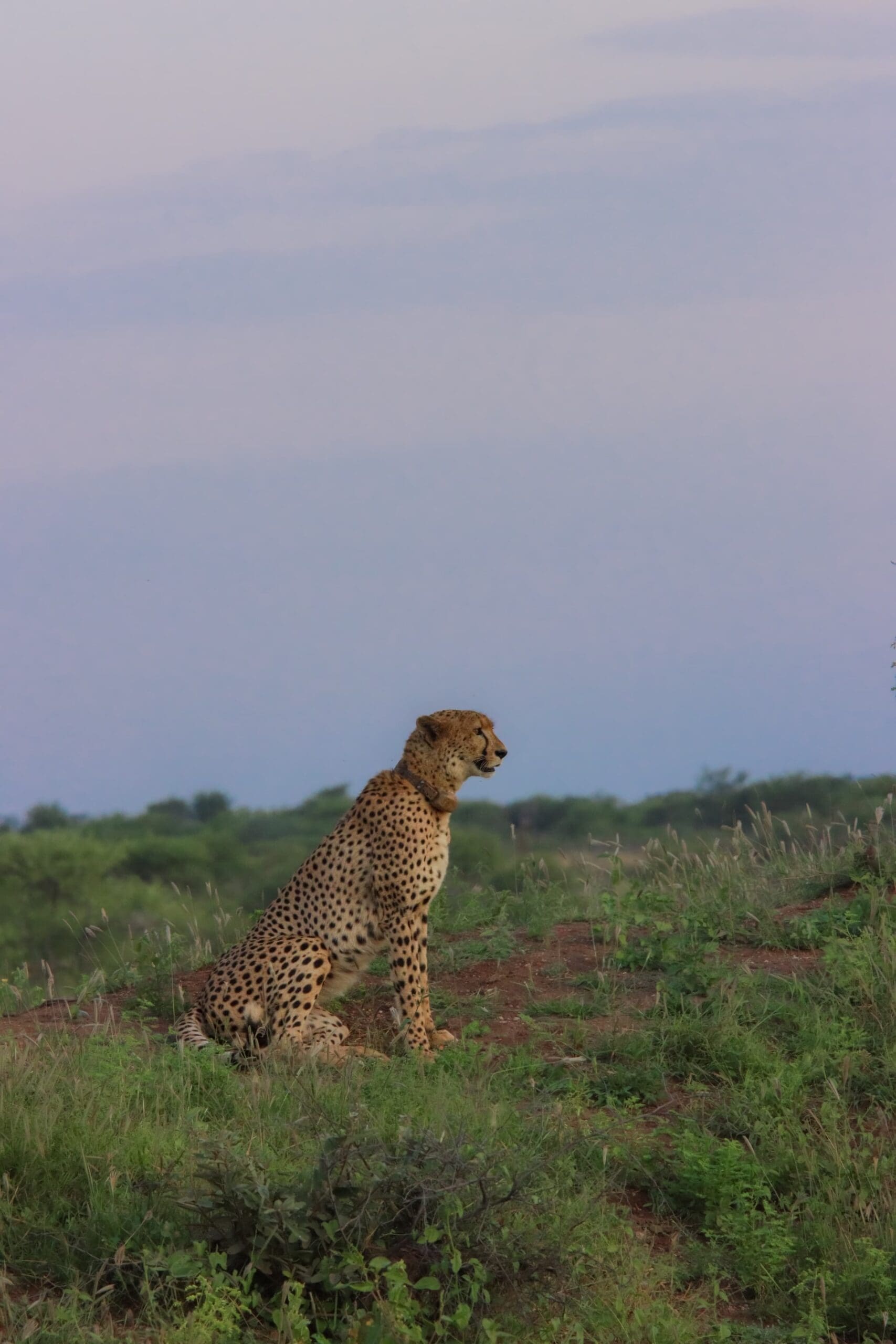
You may see cheetahs or wild dogs with tracking collars – these are used for research and safety, not for tourism. Collars allow teams to track movements, monitor den sites, check on injured animals, and study how predators use different habitats. For species like brown hyena, aardwolf, and raptors, monitoring can include spoor surveys, camera traps, and nocturnal fieldwork.
Rangers also record every significant sighting during their drives: predator movements, breeding activity, unusual behaviours, and changes in herd dynamics. All this information feeds into the reserve’s annual management plans and helps ensure Madikwe remains a stable, self-sustaining ecosystem.
Cheetahs in Madikwe are sometimes fitted with tracking collars as part of the reserve’s long-term monitoring programme. These collars are not for tourism — they are strictly conservation tools.
Cheetahs are wide-ranging predators with large territories, and they can move long distances in a short period of time. Collars help conservation teams:
- Track territory use and dispersal
- Monitor cub survival and female movements
- Identify shifts in predator dynamics (especially with lions and wild dogs)
- Respond quickly if a cheetah is injured, trapped, or crosses a boundary
- Ensure genetic diversity by monitoring mating patterns and dispersal
The collars are lightweight, humane, and designed not to interfere with the animal’s behaviour. They are only fitted when necessary and removed when the monitoring cycle is complete.
For guests, seeing a collared cheetah is a reminder that you are in a working conservation area where wildlife management is active, thoughtful, and science-based. The goal is always the same: to support a healthy, self-sustaining cheetah population in the reserve.
The conservation levy directly funds the work required to keep Madikwe Game Reserve functioning as a protected wilderness.
Your levy supports:
- Anti-poaching units and surveillance
- Wildlife monitoring and research
- Habitat restoration, alien plant clearing, and controlled burns
- Fence-line patrols and boundary integrity
- Emergency interventions for injured animals
- Long-term species management (predators, arid-zone specialists, rhino)
Unlike government parks, Madikwe Game Reserve operates on a partnership model, where guest levies are essential to the reserve’s operating costs. Every guest contributes to the protection and long-term health of the ecosystem they come to experience.
For your convenience, your levies are added to your invoice for accommodation
Conservation work is driven by the needs of the reserve and its wildlife. Activities take place only when they are necessary and appropriate, ensuring that animal welfare and ecological integrity always come first.
All conservation activities are led by Madikwe Game Reserve authorities in collaboration with qualified veterinarians, ecologists, and conservation specialists. Madikwe Safari Lodge supports this work but does not operate conservation activities independently.
In certain cases, limited guest participation may be offered when conservation work is taking place during a stay and conditions allow. Participation is always carefully managed, optional, and subject to strict guidelines.
Animal welfare is the primary consideration in all conservation activities. Interventions are conducted by trained professionals following best-practice protocols, and guest involvement never alters or extends procedures.
Age restrictions apply to all conservation experiences and vary depending on the nature of the activity. Participation is guided by safety considerations, professional requirements, and reserve regulations.