MADIKWE GAME RESERVE

Where the Kalahari Desert and the lush busHveld meet

An astonishing wilderness

Madikwe Game Reserve is one of South Africa’s most distinctive safari destinations – a vast, malaria-free reserve shaped by the rare meeting of two major ecosystems: the semi-arid Kalahari and the classic bushveld savanna.

This crossover presents a unique biosphere with wide horizons, red earth, unusual species mix, and rich predator–prey dynamics. Travellers are drawn to the sense of space and the way the landscape lends itself to clear, unhurried, close-contact sightings throughout the year.

A reserve shaped by contrast

A Rare Transition Zone

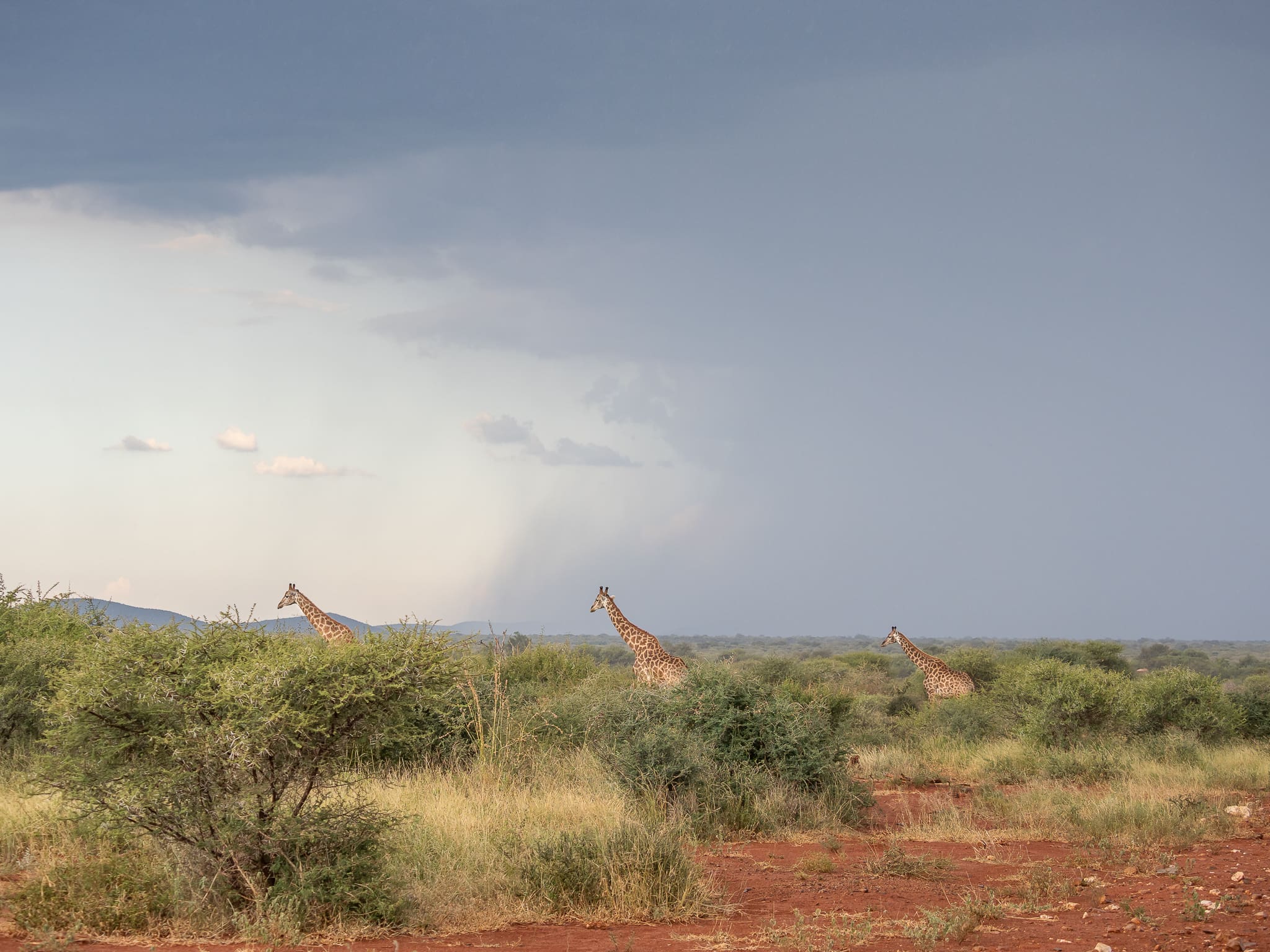
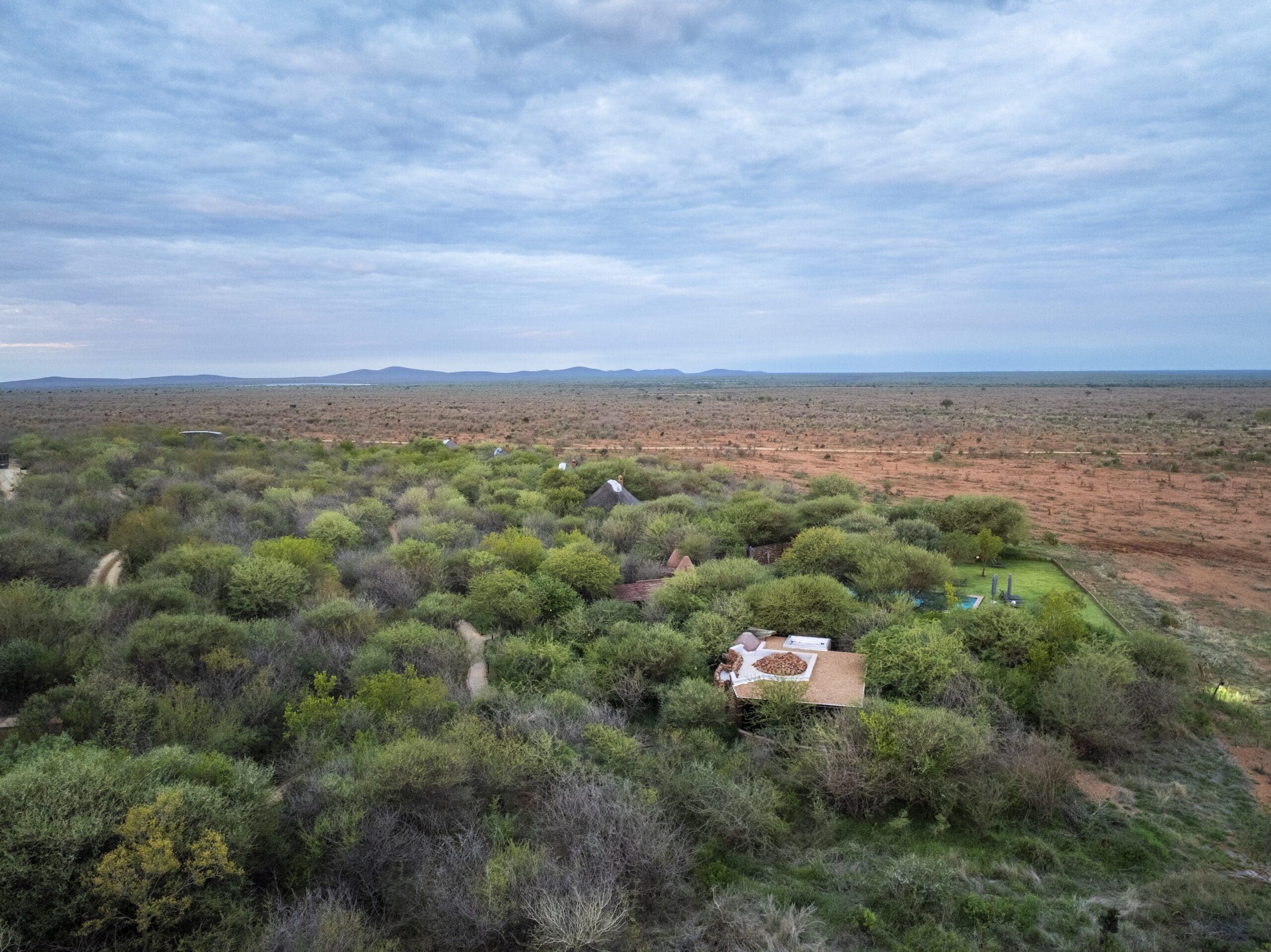
Madikwe sits at a rare biogeographic meeting point, where the arid acacia woodlands of the Kalahari Basin blend with South Africa’s savanna bushveld, creating a mosaic of habitats that includes:

  • Red Kalahari sandveld
  • Open sweet-grass plains
  • Rocky ridges and inselbergs
  • Shaded riverine belts

This supports an unusually wide mix of species and gives Madikwe its signature “big-sky” feel.

Wide horizons

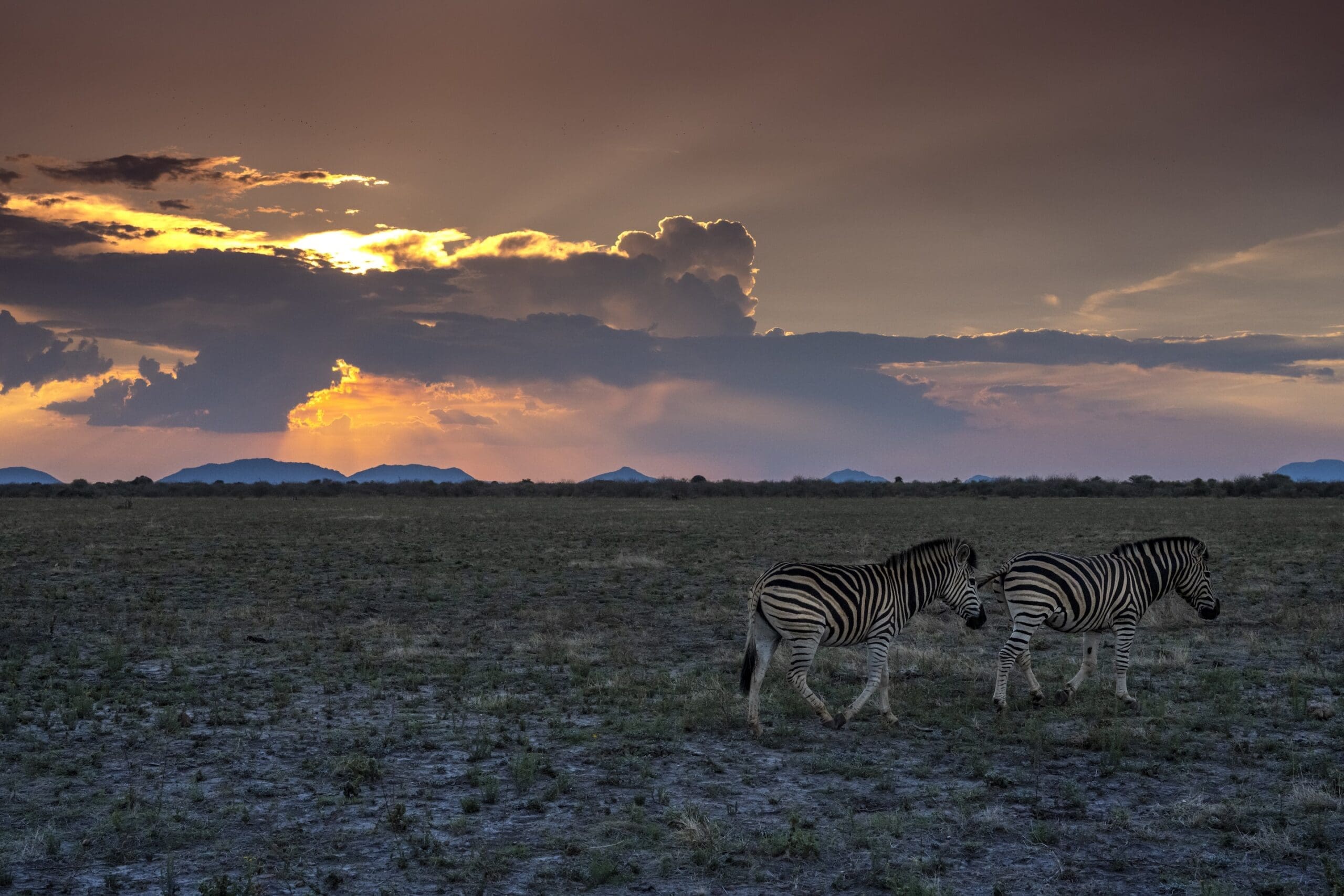
Lightly vegetated plains and long sightlines mean that you can observe wildlife from a distance – lions moving across open ground, cheetahs hunting at speed, elephants crossing red-sand savannas.

This sense of openness sets Madikwe Game Reserve apart from the denser Lowveld reserves.
Conservation legacy: Operation phoenix

In the early 1990s, Madikwe Game Reserve underwent one of the world’s most successful rewilding efforts: Operation Phoenix, which reintroduced more than 8,000 animals and rebuilt entire ecological guilds rather than isolated species.
Species restored included:

  • Elephant, buffalo, white and black rhino
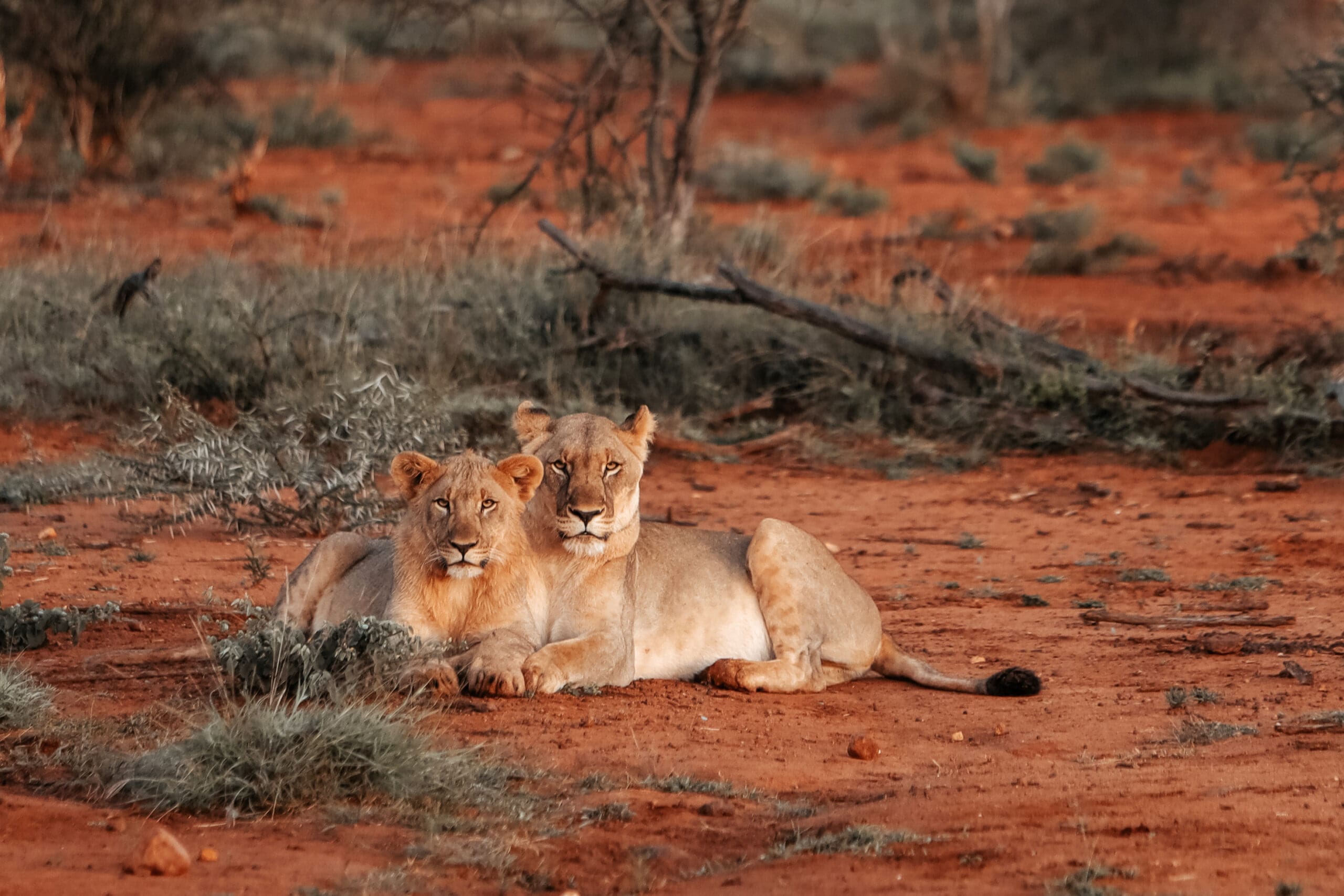
  • Lion, cheetah, leopard, brown hyena,
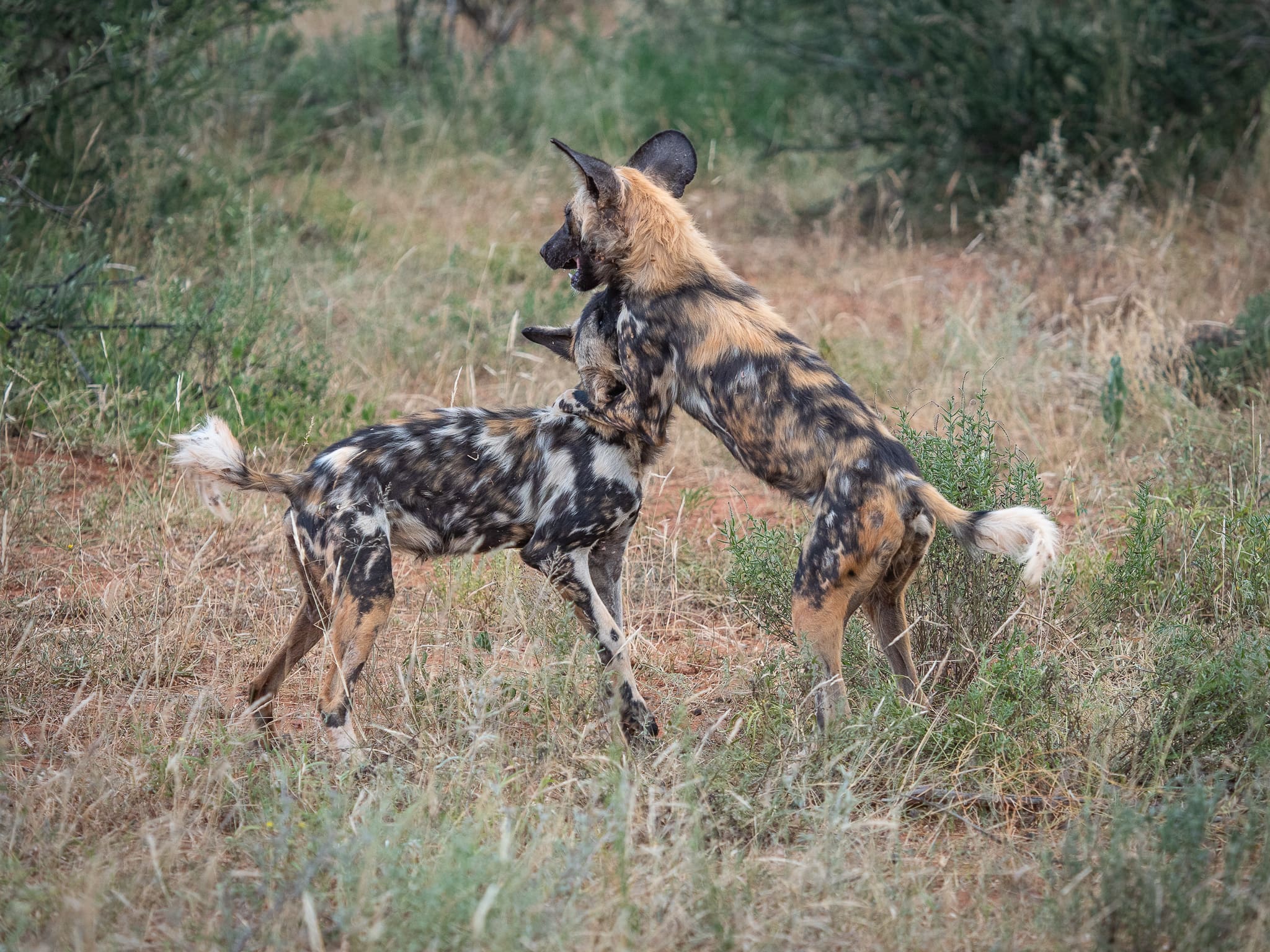
  • African wild dog
  • Giraffe, zebra, wildebeest
  • A wide range of plains game

Today, Madikwe functions as a self-sustaining wilderness with natural predator–prey dynamics, genetically resilient populations, and wildlife that behaves as it would in untouched ecosystems.

The big five

Elephant, lion, leopard, buffalo, and rhino are reliably viewed here, supported by an established and stable wildlife population.

African Elephant

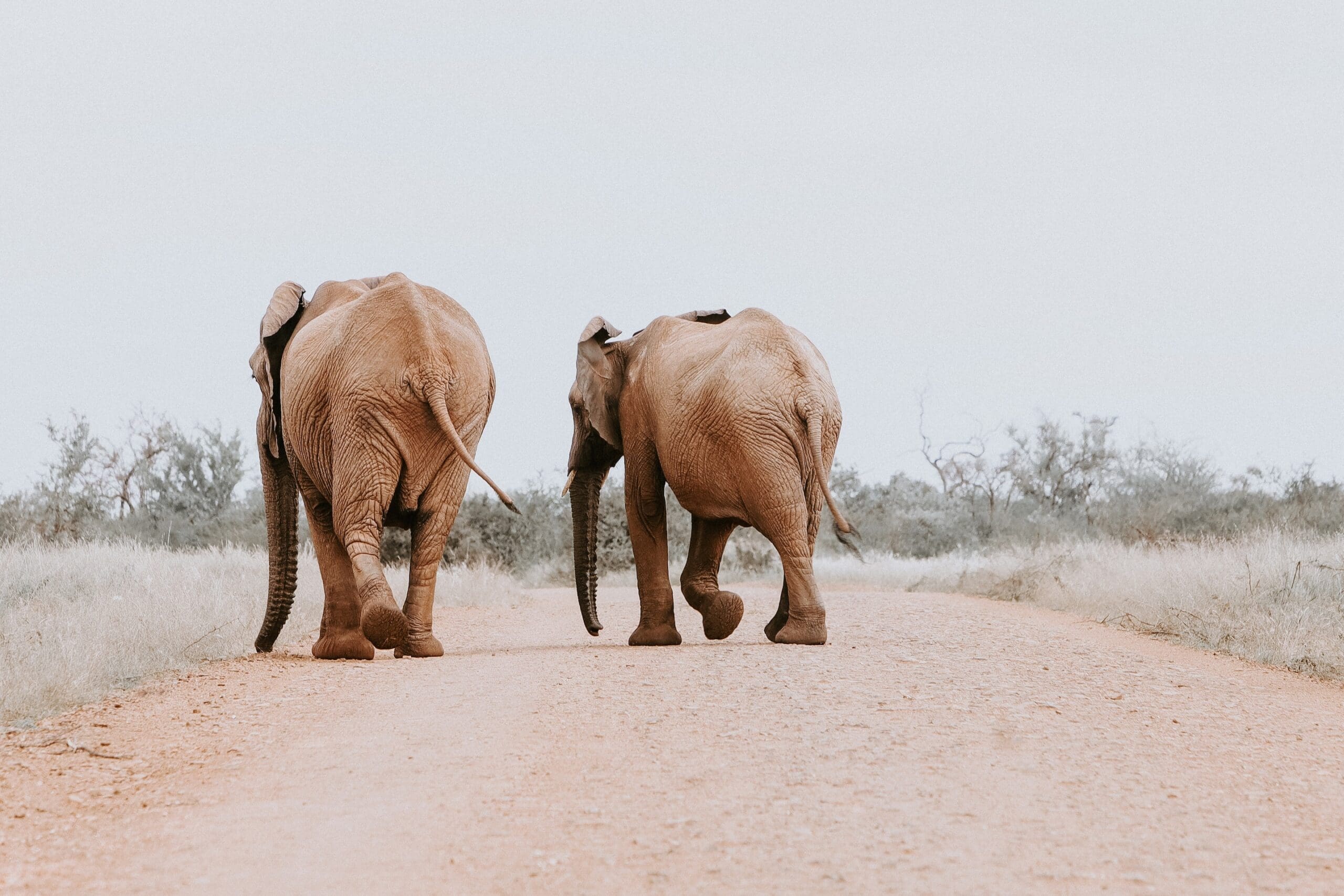
Madikwe is renowned for exceptional elephant viewing. Sightings are frequent and often daily, ranging from solitary bulls to large breeding herds moving across open plains, roads, and water sources.
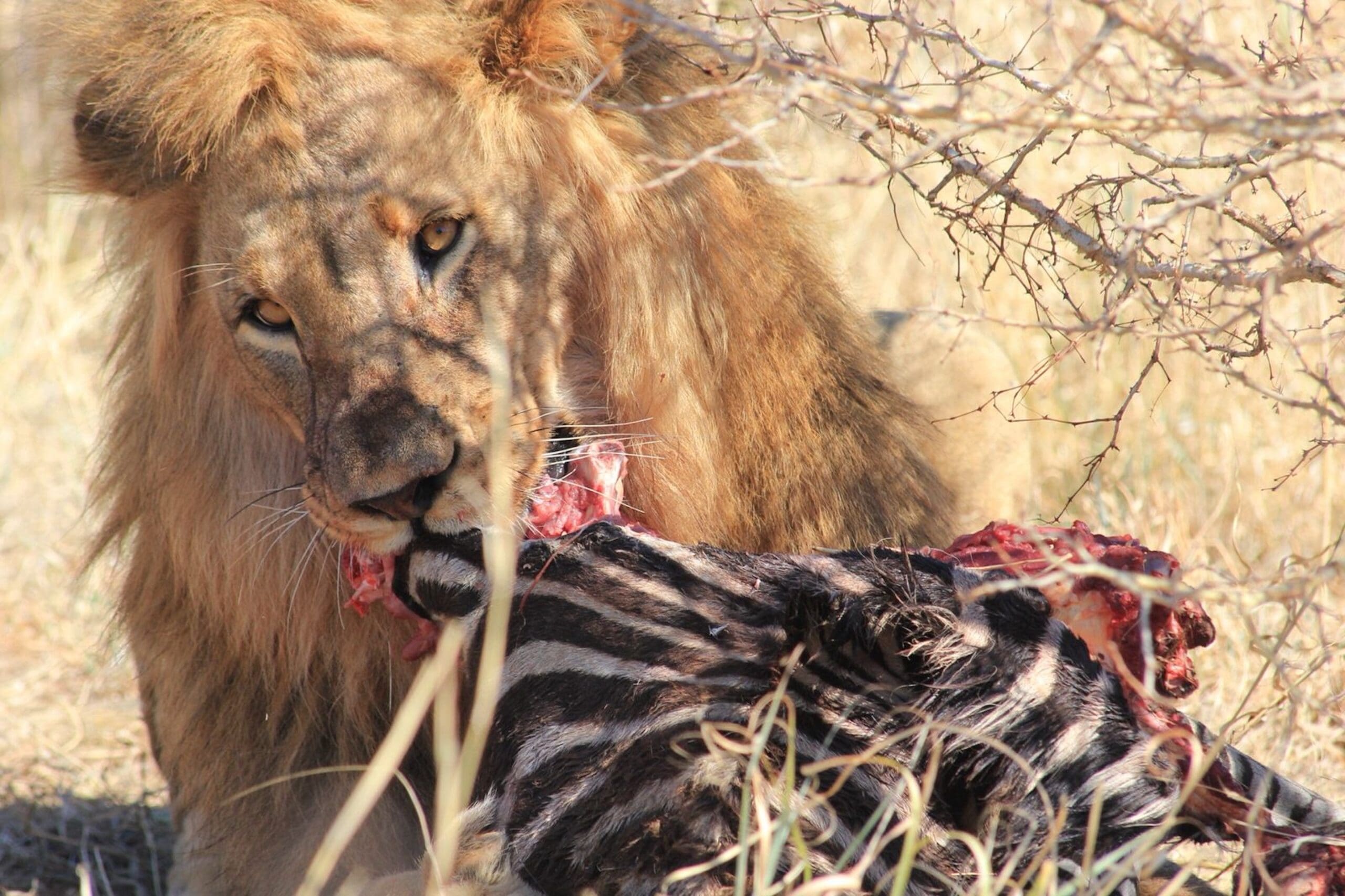
Lion

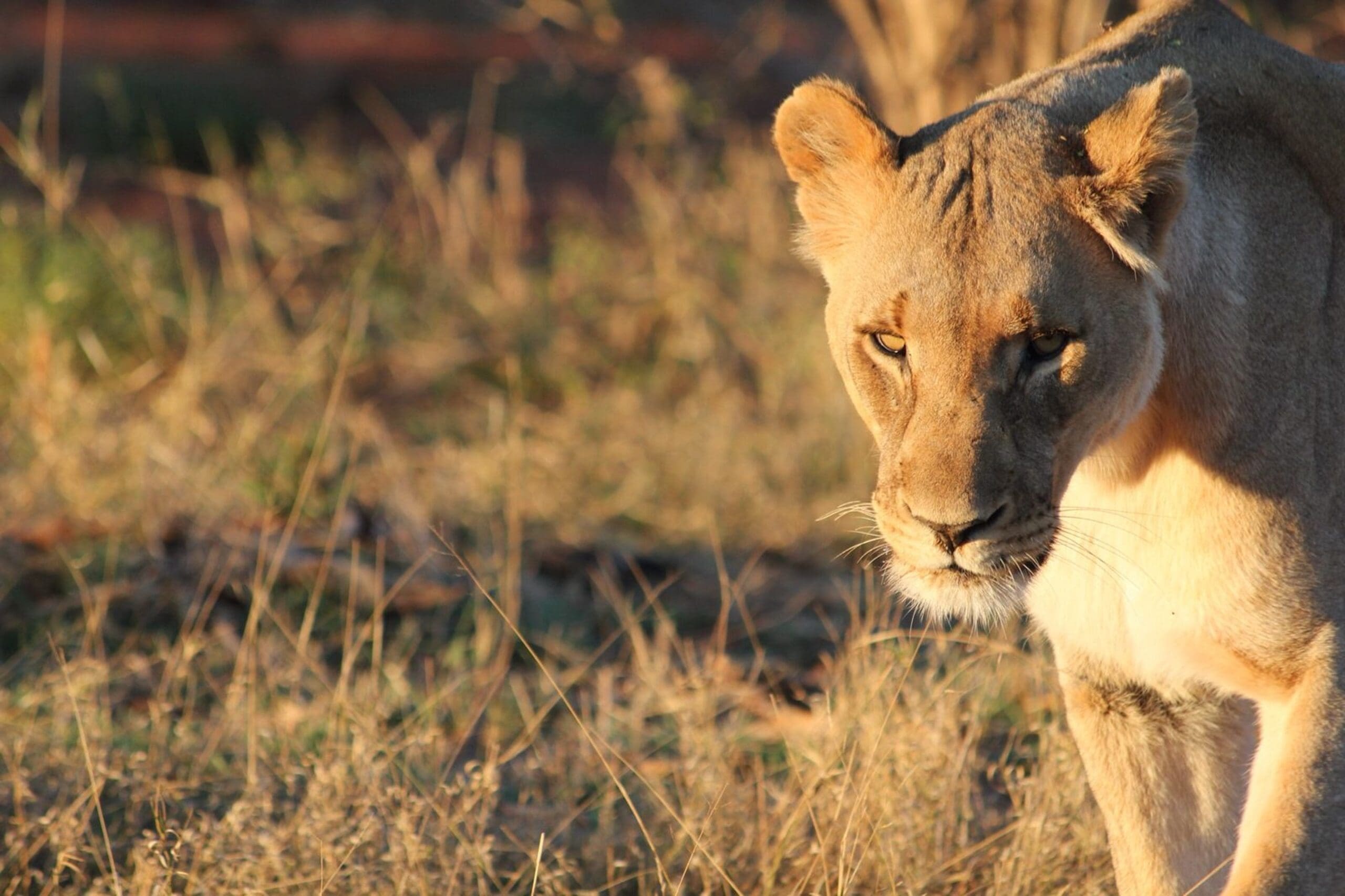
Madikwe supports multiple successful prides of lions, with healthy age distribution across males, females, and young. Four main prides and several male coalitions ensure strong genetic diversity, resulting in regular sightings – from relaxed pride interactions to active hunting.
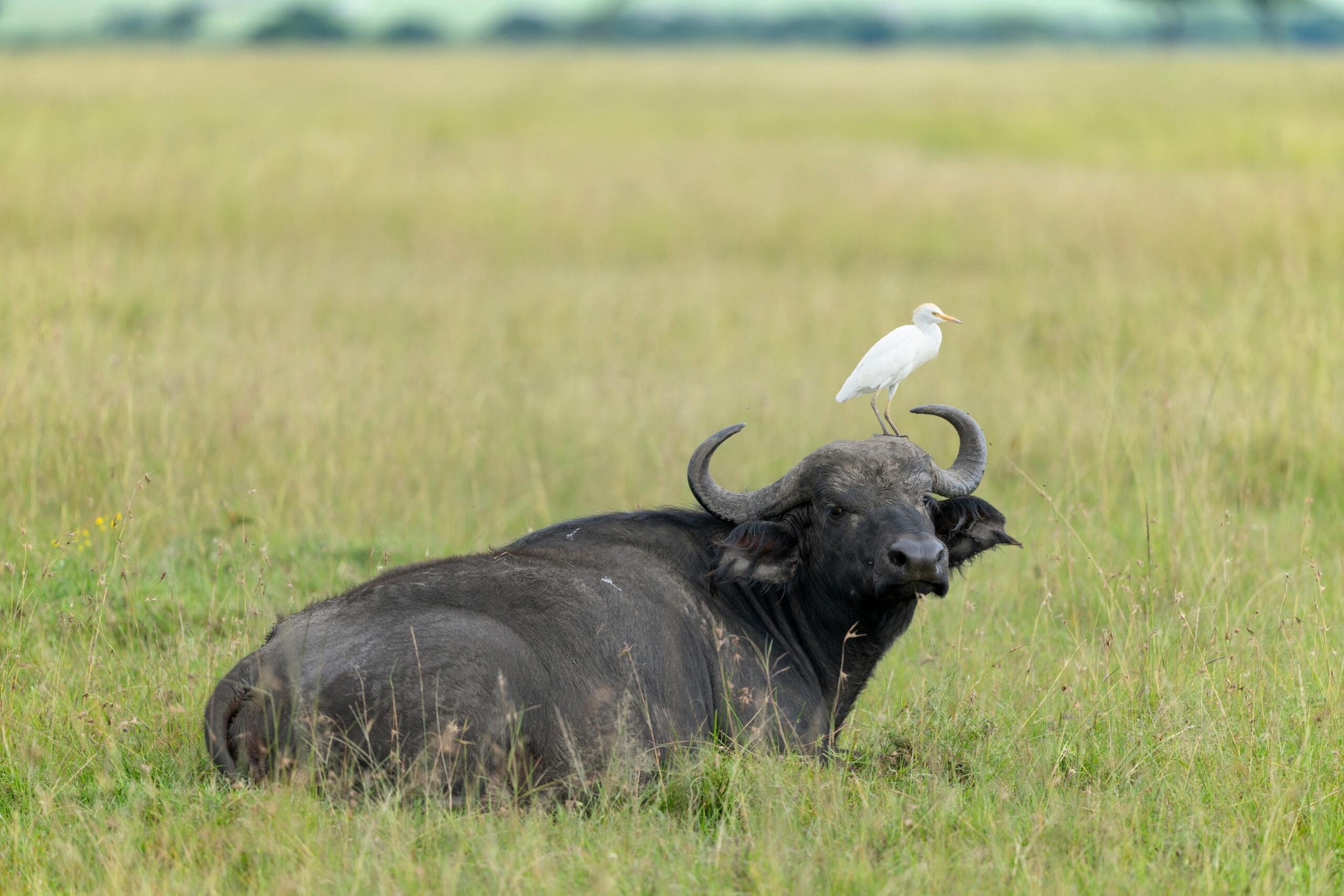
Cape Buffalo

Recognised by their distinctive horns, buffalo are present in healthy numbers across the reserve, though sightings are less predictable than other Big Five species. Typically seen in small to large herds, while older males are often encountered alone.
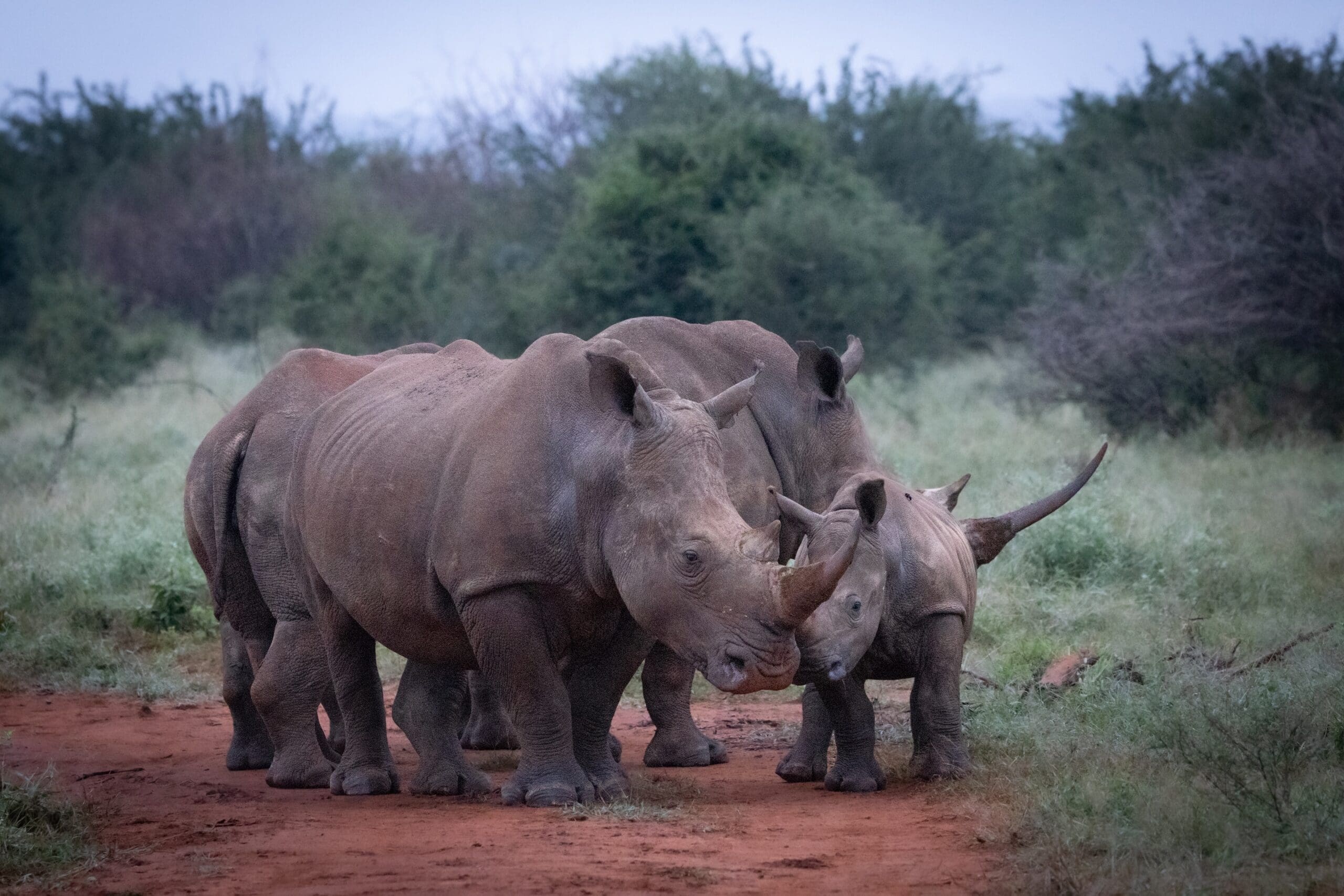
Black and white rhino

Madikwe is home to white and black rhino, protected through an extensive and proactive anti-poaching programme operating across the reserve’s 75,000 hectares. White rhino, identified by their square mouths and grazing habits, are more commonly seen.
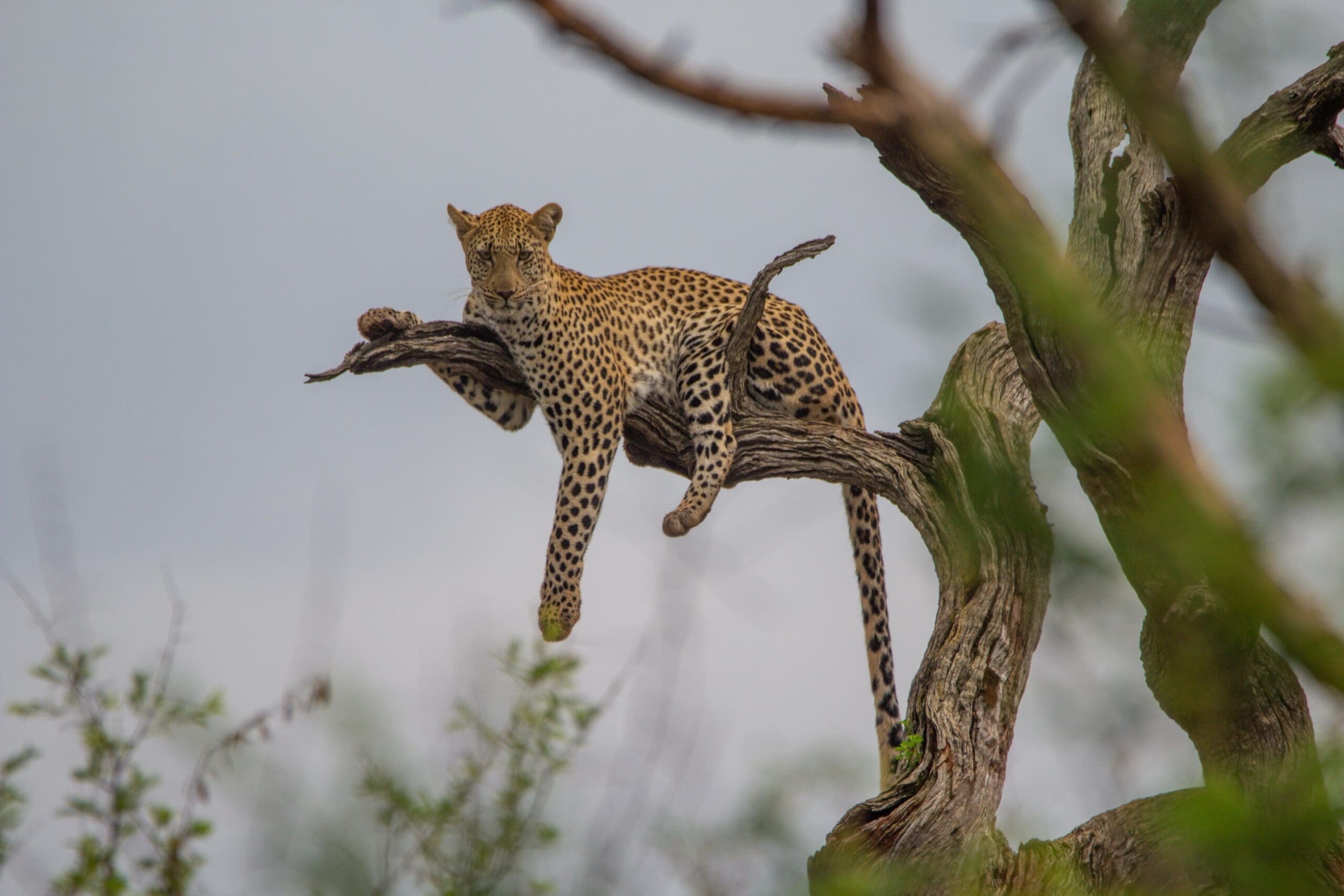
Leopard

Leopards are the most elusive of the Big Five, yet Madikwe offers rewarding opportunities for sightings due to its location. The camps and villa are located on a koppie, a perfect habitat for leopards. Guests are often treated to sightings on drives, close to their home base.
Species you won’t commonly see in the lowveld

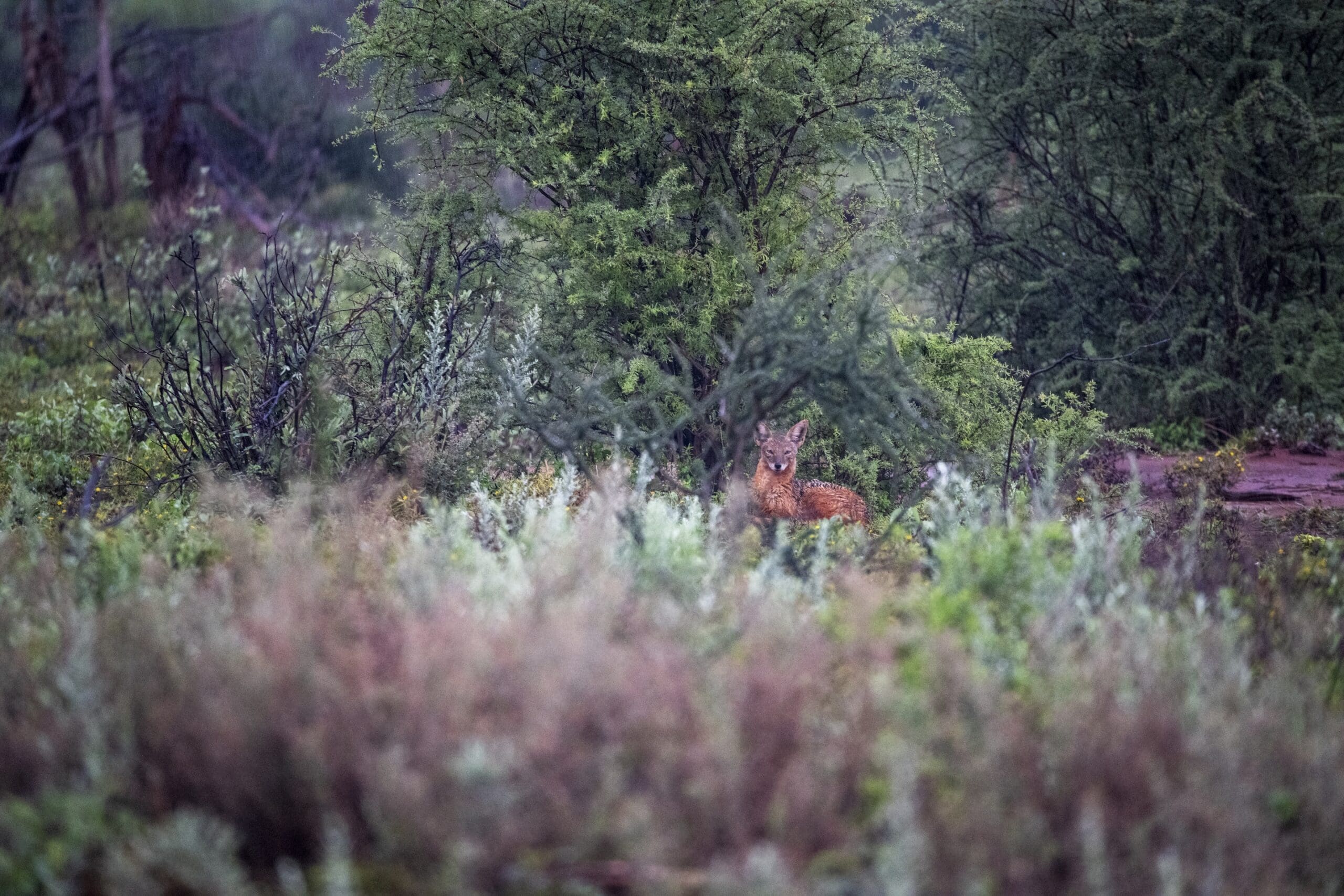
Madikwe’s Kalahari influence supports species less frequent in Kruger National Park and Sabi Sand Nature Reserve, including brown hyena, African wild dog, and cheetah.

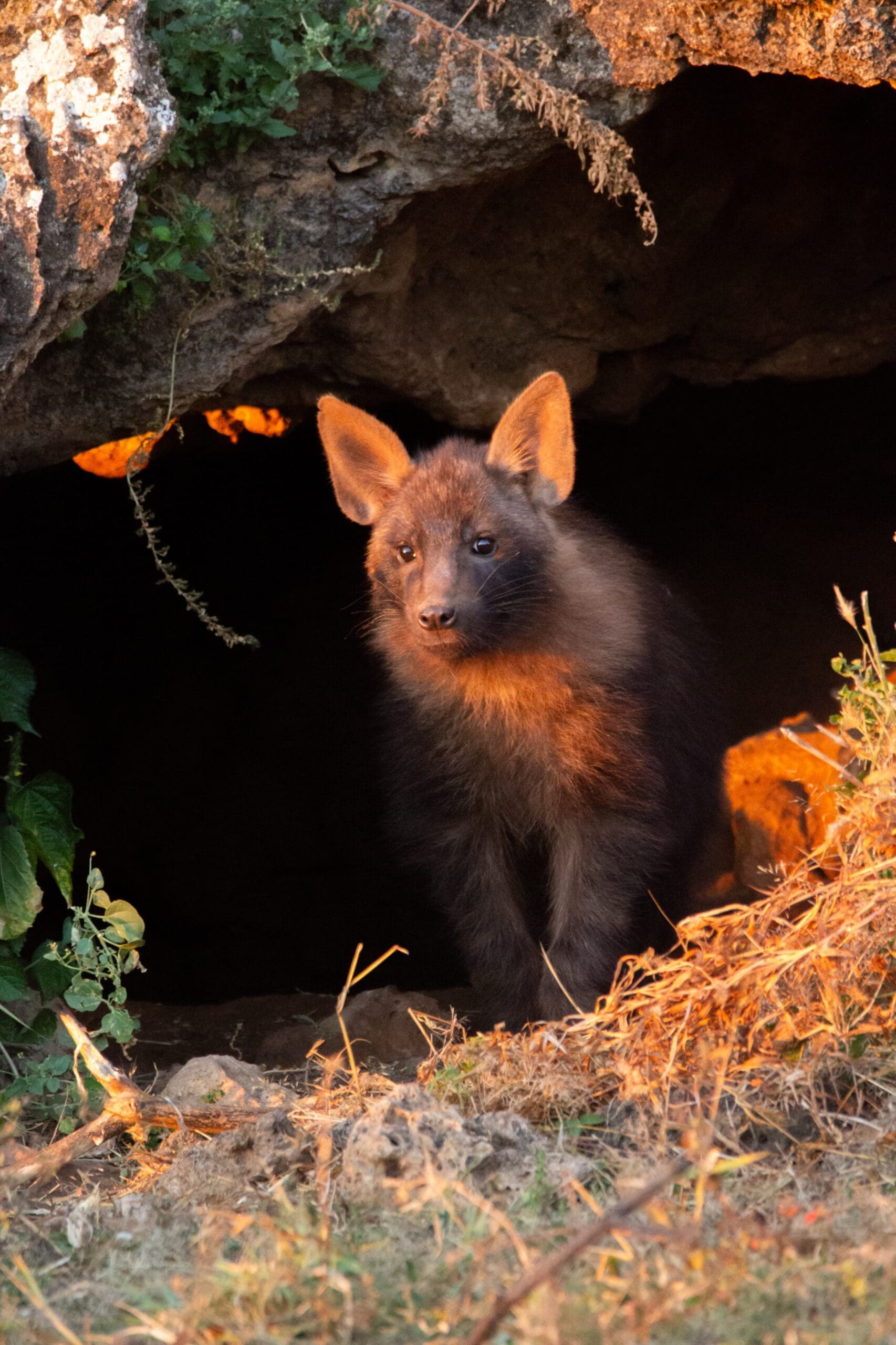
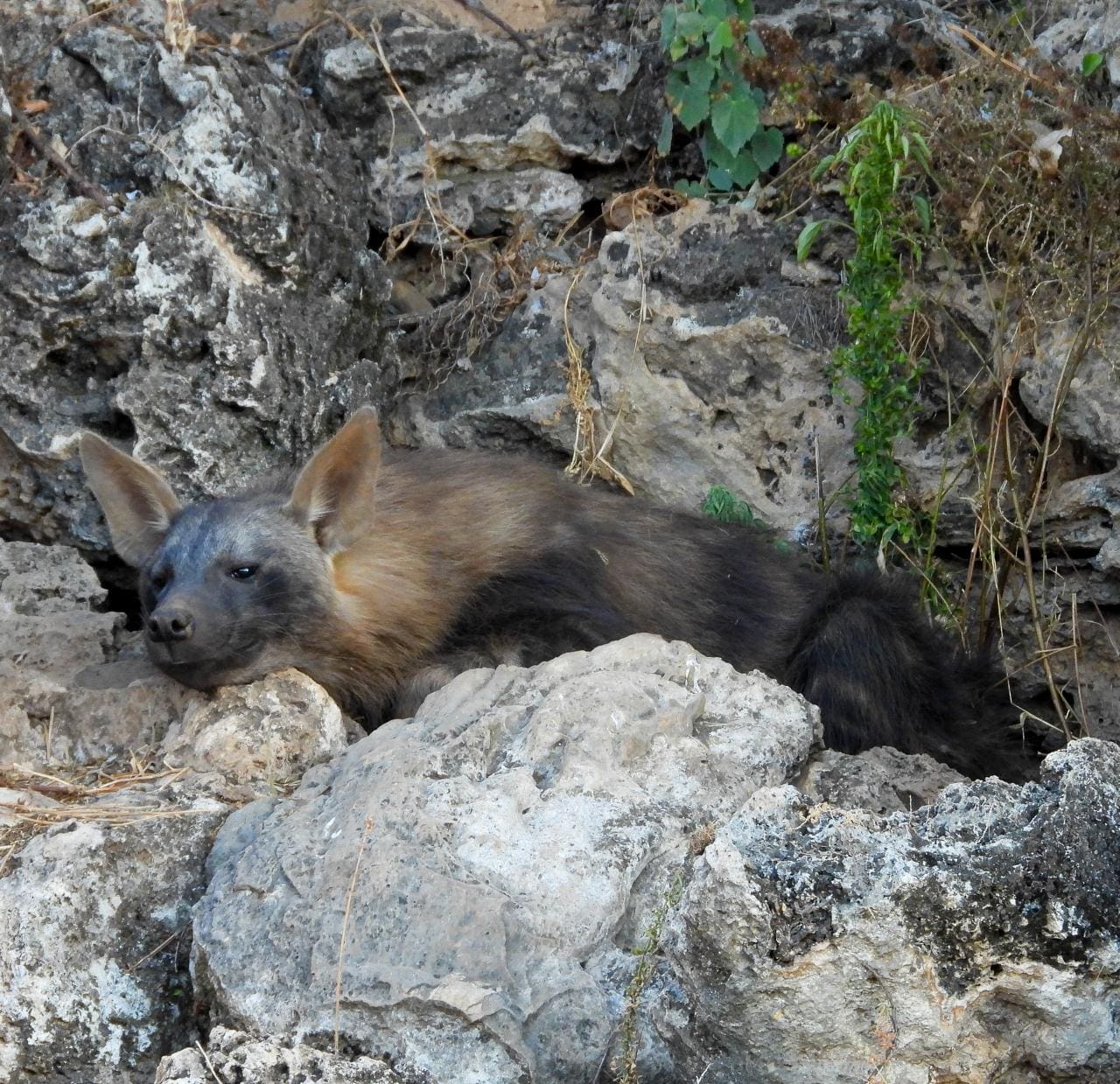
Brown hyena

The brown hyena is a solitary, rarely seen species, making sightings particularly special. Unlike the more social spotted hyena, brown hyena tend to roam alone.
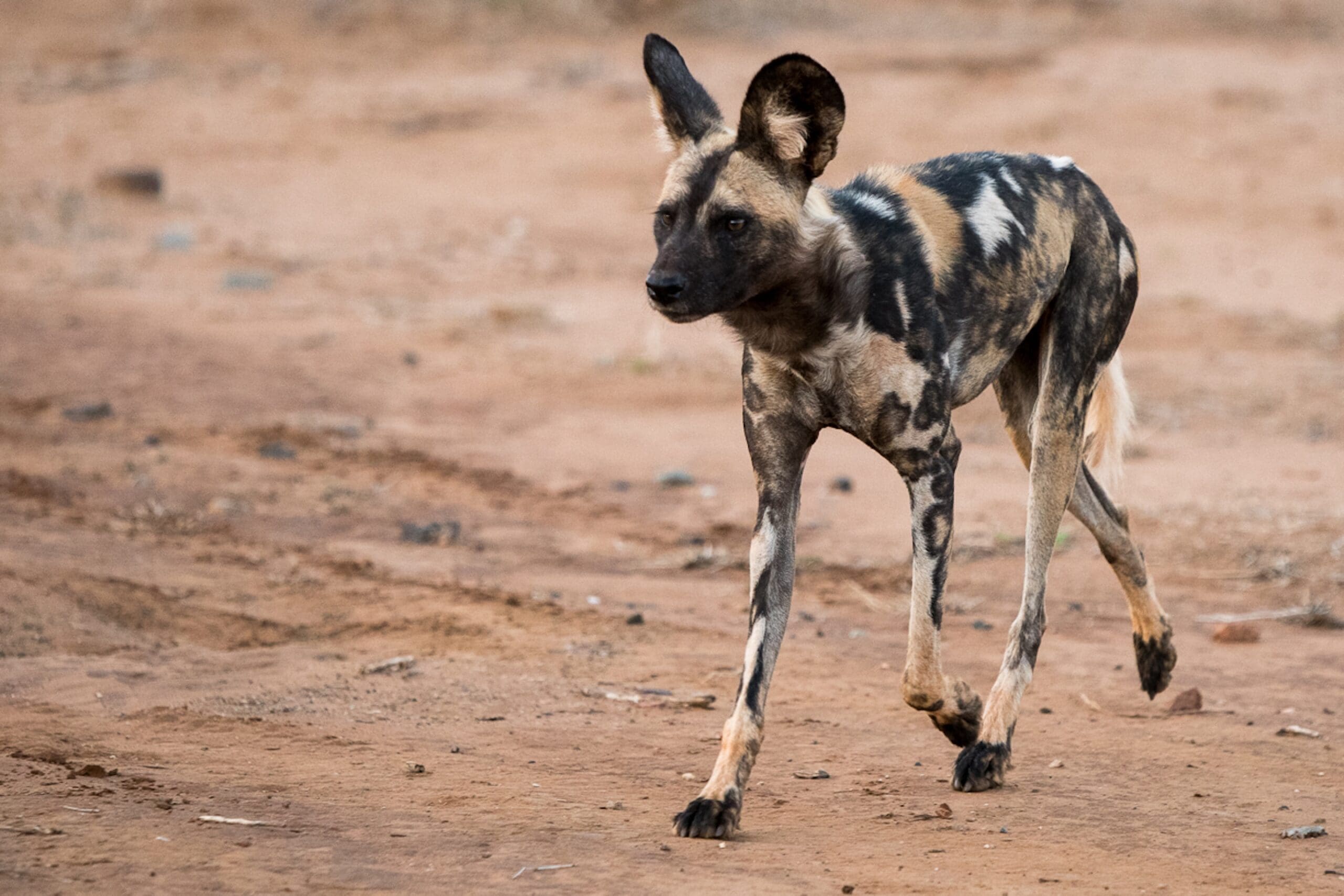
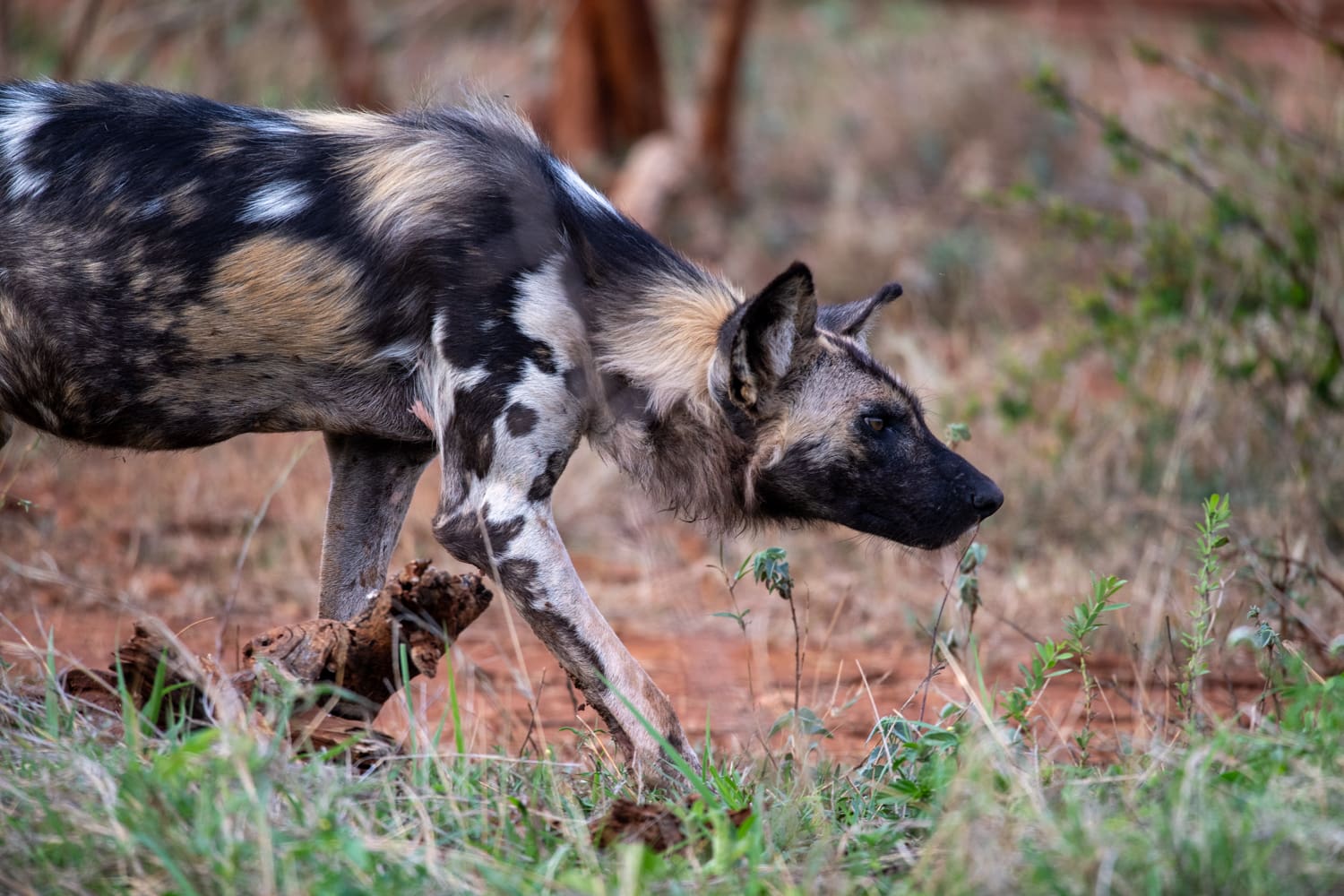
African wild dog

Madikwe supports multiple wild dog packs, including one whose territory frequently overlaps our traversing area, resulting in regular sightings. Wild dogs are highly social, structured hunters and are considered the most efficient predators on the continent.
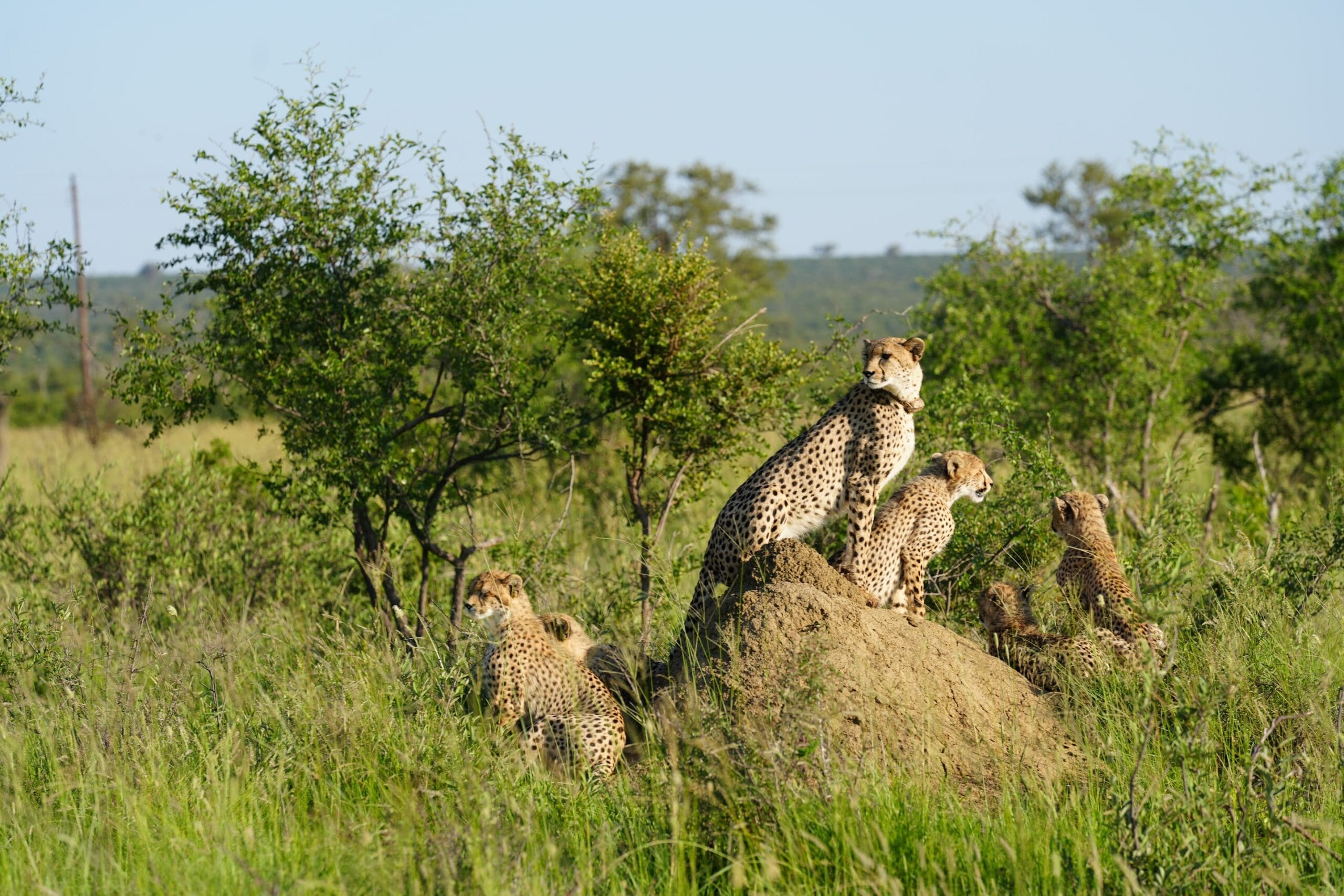
Cheetah

Cheetah were reintroduced to Madikwe as part of a conservation and rewilding programme. The open landscapes and expansive plains provide ideal hunting conditions for this vulnerable species. Many cheetah are fitted with tracking collars to support ongoing monitoring and conservation efforts.
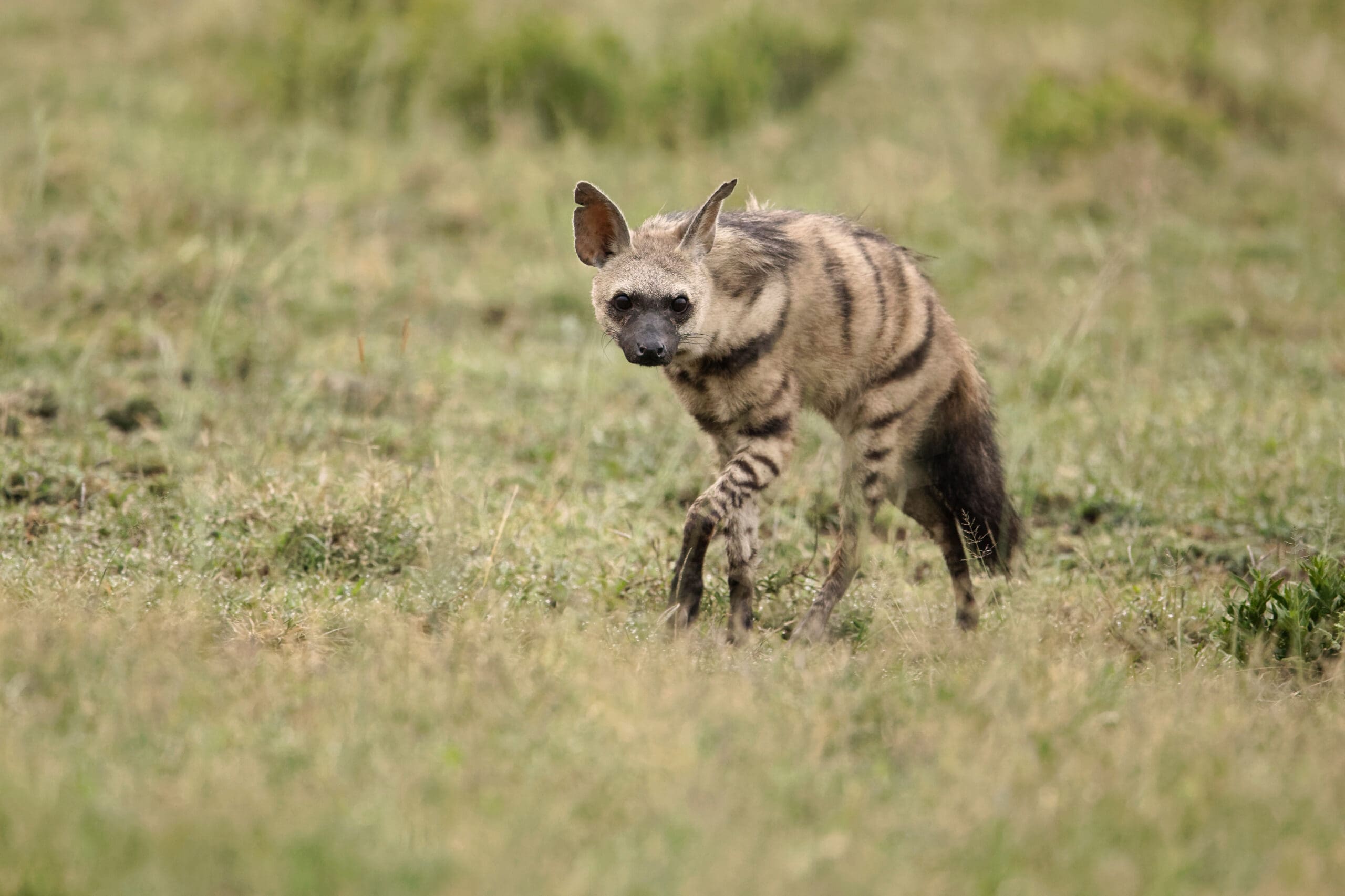
Aardwolf

Small, shy, and often misunderstood, the aardwolf is a member of the hyena family. Mostly nocturnal and highly elusive, it feeds primarily on termites and is rarely seen on safari. Madikwe’s diverse habitat offers one of the better chances to encounter this gentle, low-profile species.
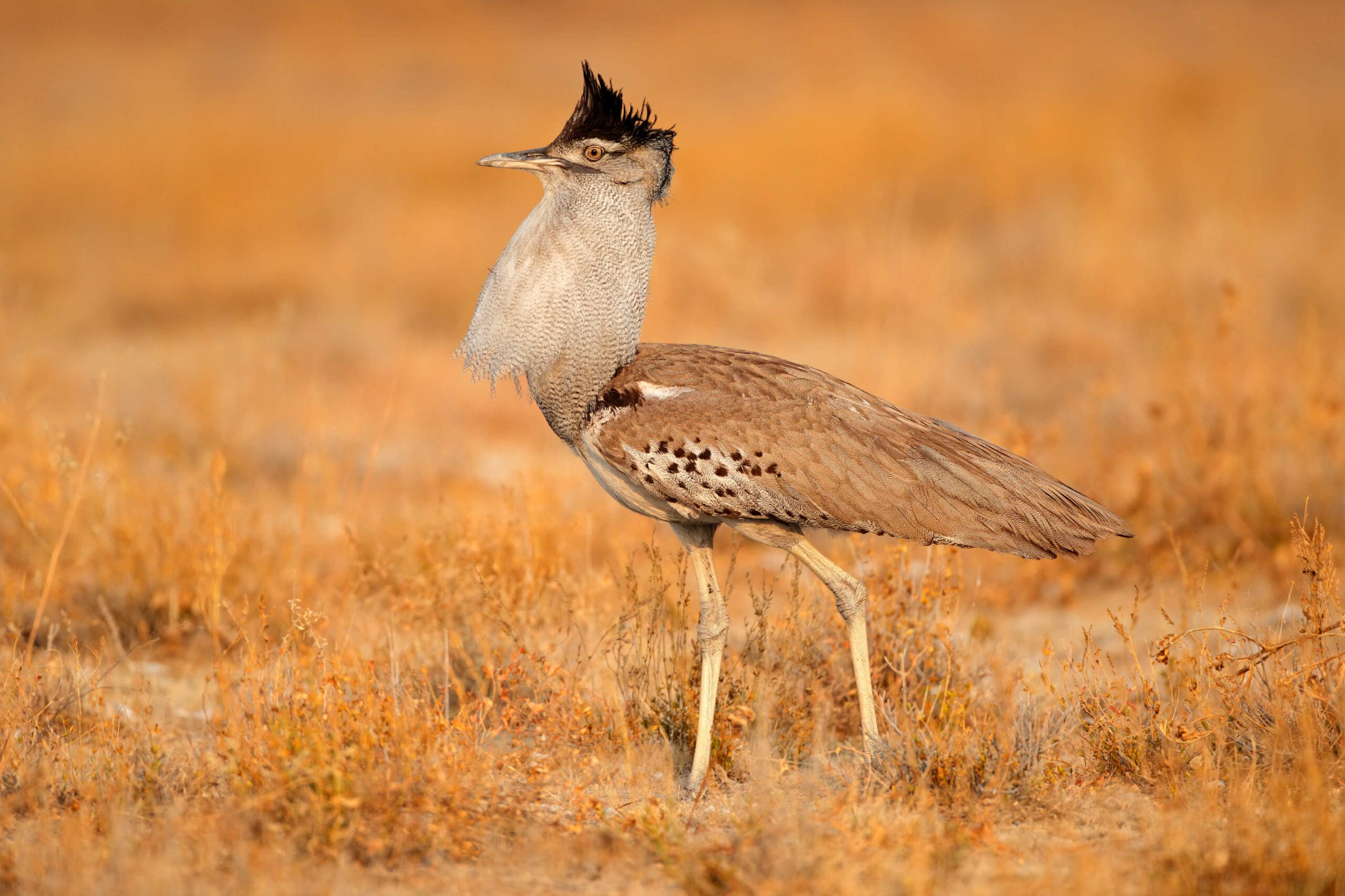
Kori bustard, bat-eared fox, springbok, gemsbok

Species not commonly seen in more densely vegetated reserves include the kori bustard – one of the world’s heaviest flying birds – as well as springbok, gemsbok, and bat-eared fox to name a few.
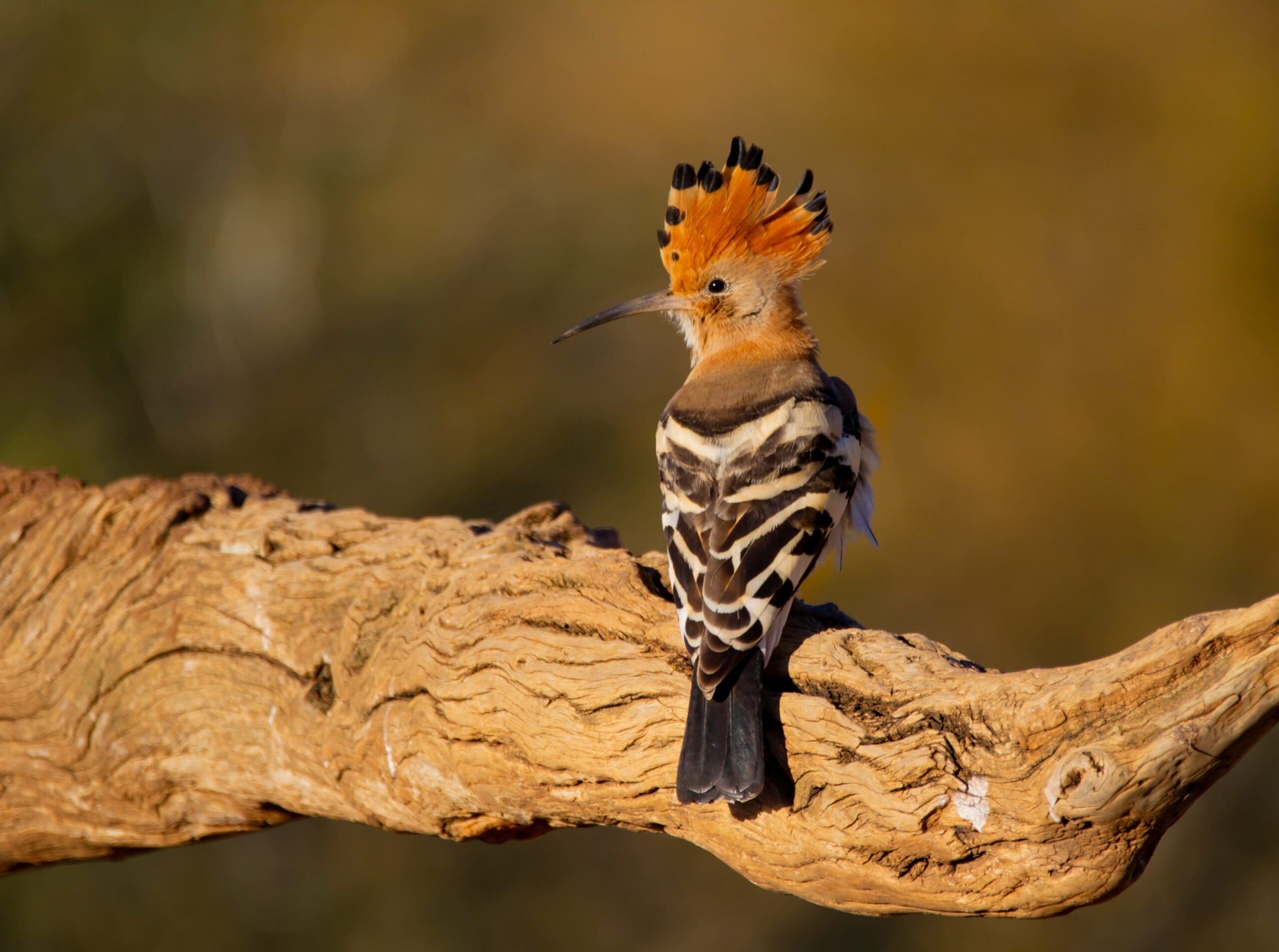
Birdlife

Birding is exceptional, thanks to the crossover of Kalahari and bushveld species, strong birds-of-prey activity, and Rift Valley migratory pathways.

Expect everything from kori bustards and secretary birds to summer migrants and dramatic raptor gatherings.

African Hoopoe
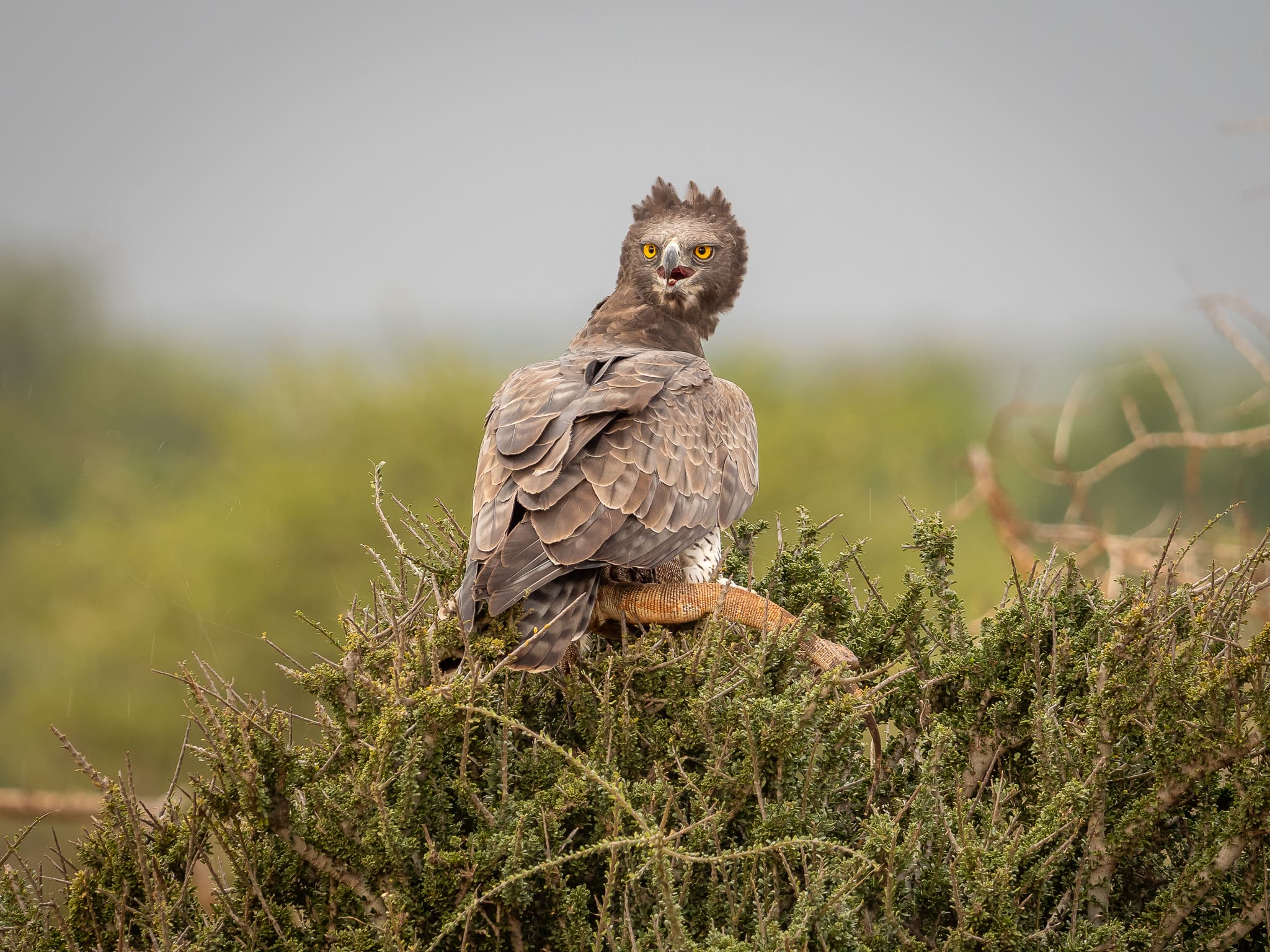
Marshal Eagle
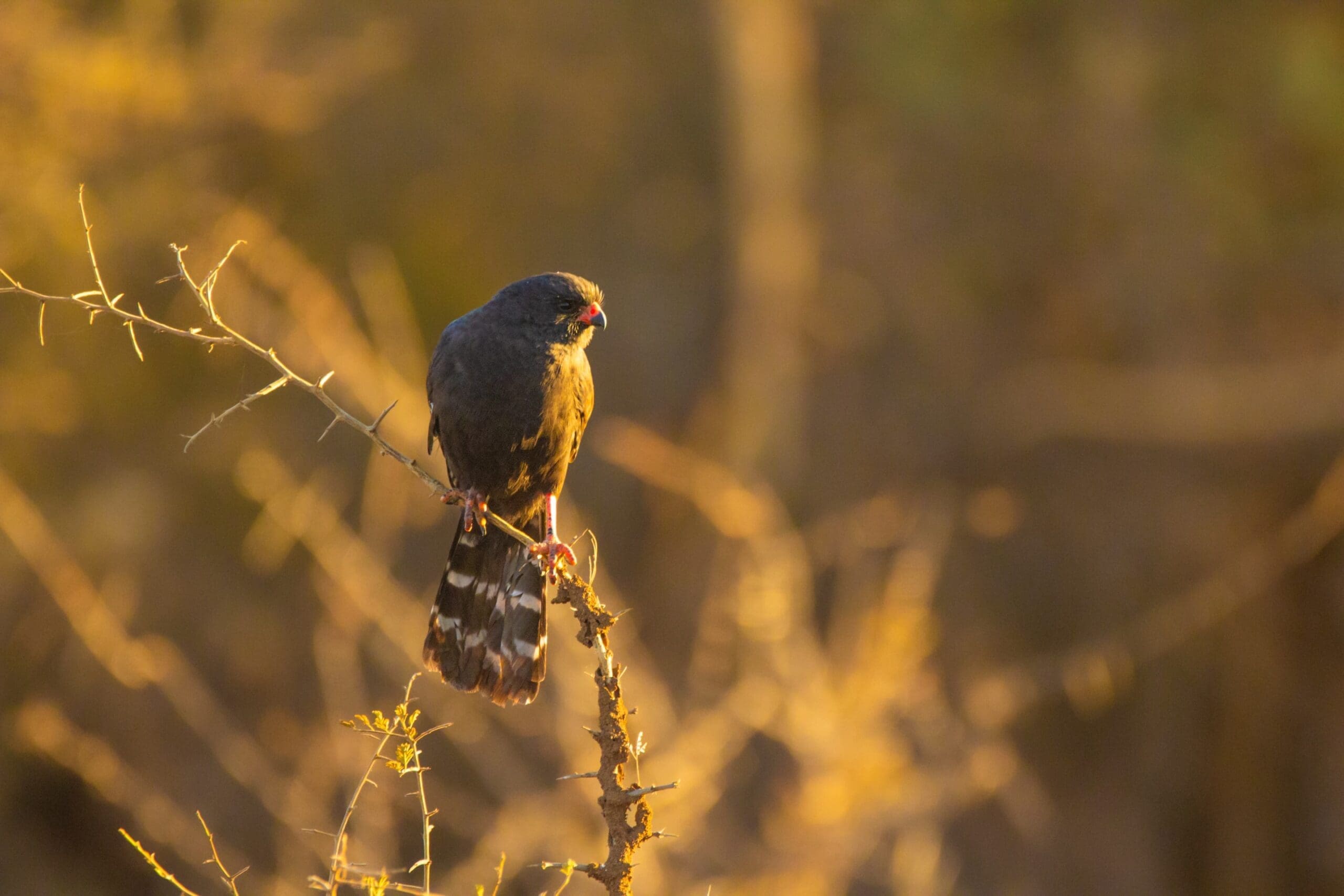
Gabar Goshawk (rare melanistic form)
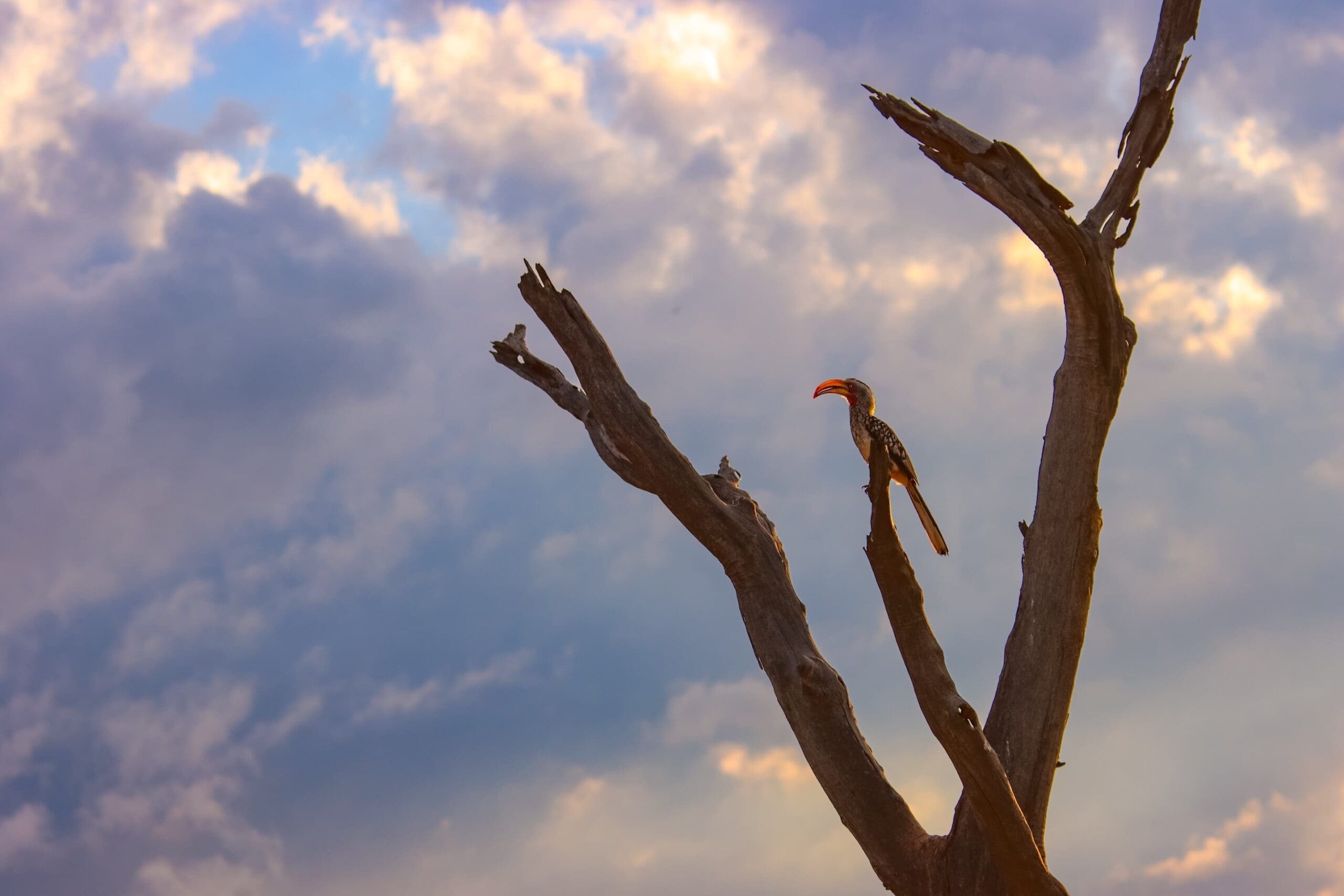
Southern Yellow-Billed Hornbill
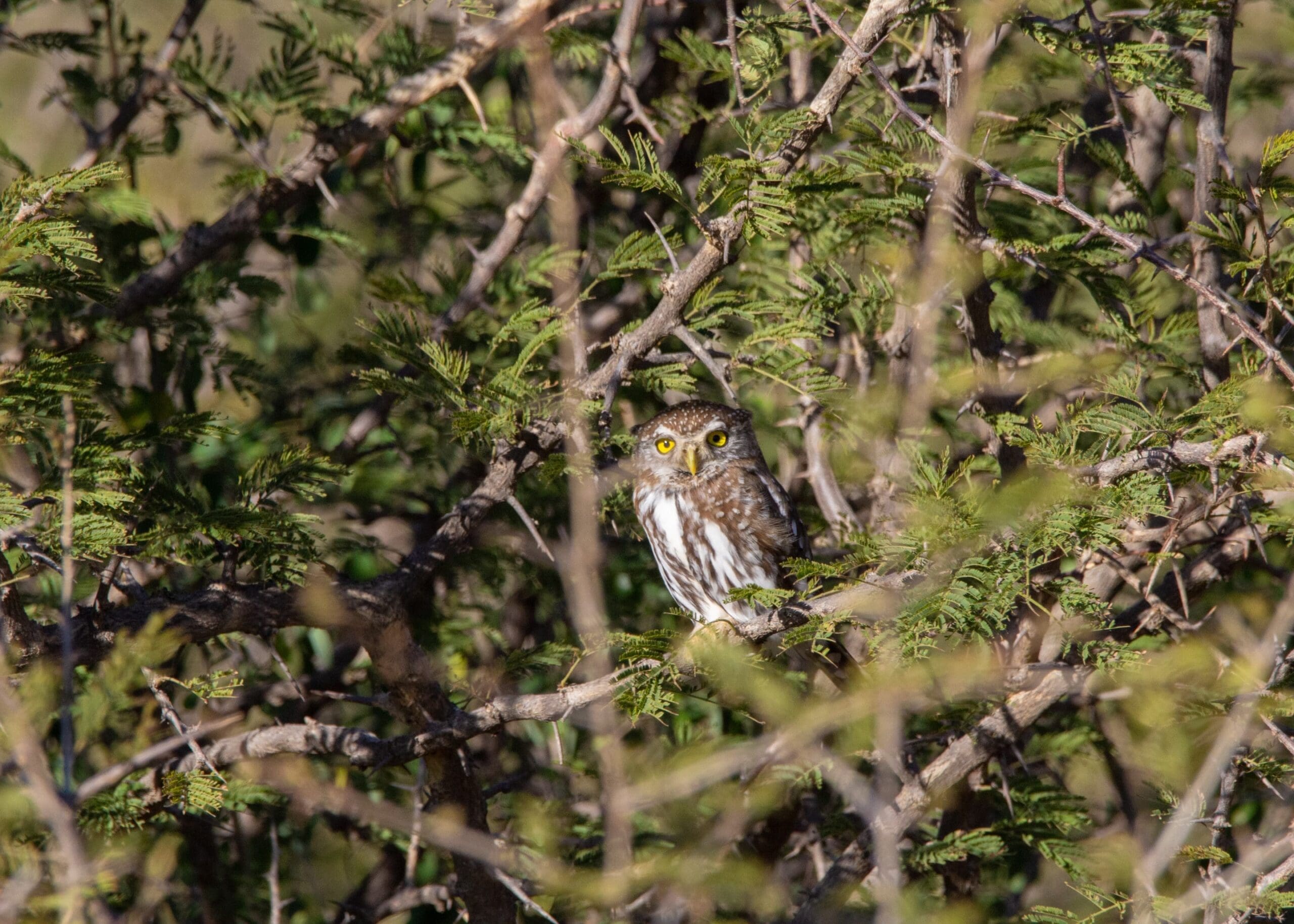
Pearl-Spotted Owlet
Guiding Culture

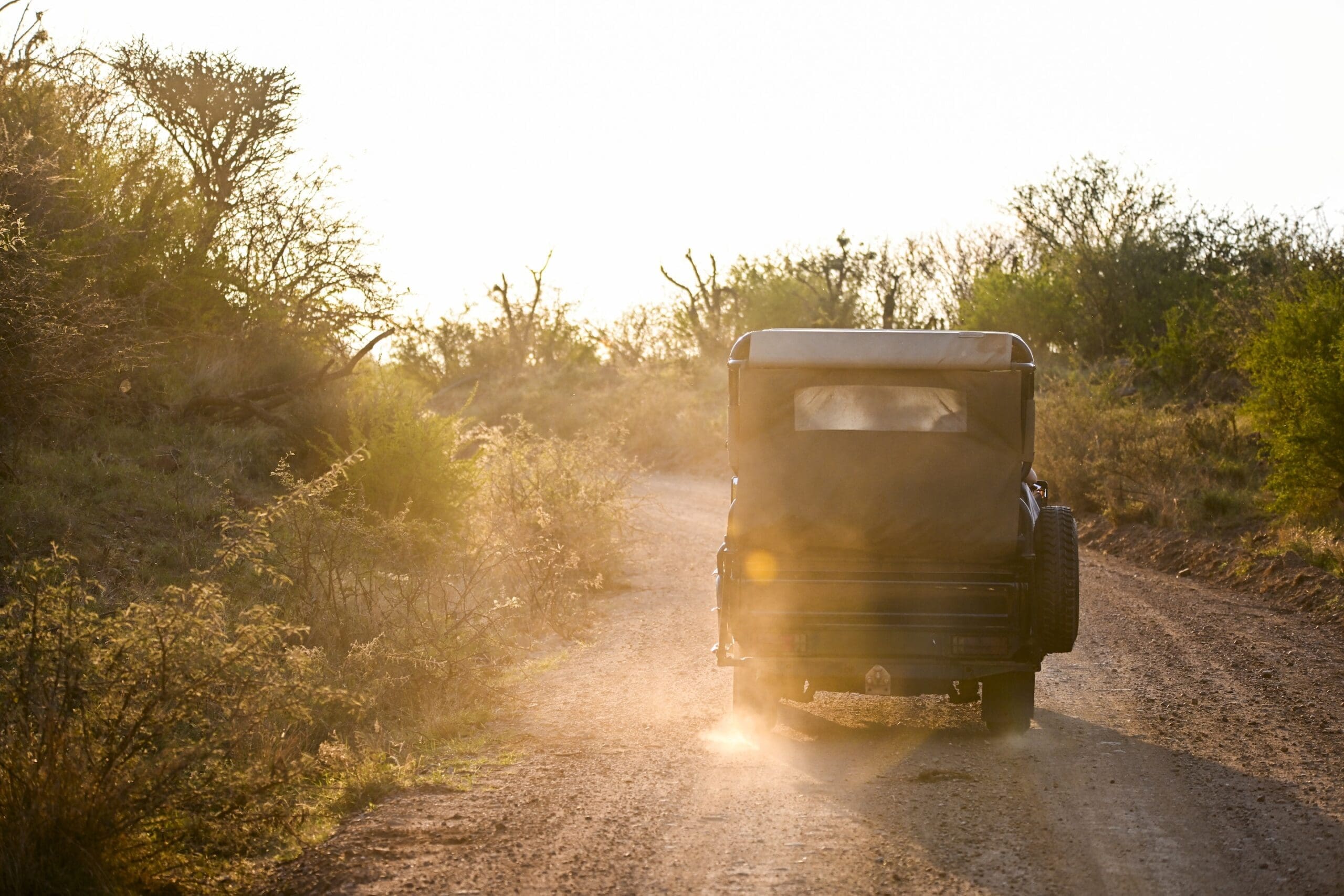
Madikwe Game Reserve’s guiding culture is defined by strict vehicle limits, a collaborative approach between guides, and wildlife that is relaxed.

The open plains and elevated ridges support long-range viewing without the need to rotate vehicles, allowing guests to follow behaviour from start to finish with clarity and space.

Unpressured, intimate, open-viewing safari.

Madikwe is renowned for its calm, respectful sighting culture.
.

.

.

Visit Us Any Time

Madikwe is a true year-round destination, with each season offering something unique.

Warm Days, Dramatic Colours

The shoulder seasons offer warm days and dramatic colours.

This time features superb general game viewing and beautiful transitional landscapes.

Madikwe in a nutshell

  • A vast, malaria-free reserve on the Botswana border
  • A rare ecological crossroads: Kalahari × bushveld
  • Big Five + arid-special species
  • Uncrowded, calm, collaborative guiding culture
  • Open, big-sky landscapes ideal for photography
  • One of Africa’s most successful rewilding projects
  • Year-round safari destination with strong seasonal highlights

PLAN YOUR SAFARI IN MADIKWE

FAQs

What makes Madikwe Game Reserve unique?

Madikwe is one of South Africa’s great conservation success stories. Covering 75 000 hectares on the edge of the Kalahari, it lies in a rare transition zone where two ecosystems meet – creating an unusually rich mix of species and landscapes. The reserve is completely malaria-free, making it a safe and easy choice for families and travellers who prefer not to take prophylaxis.

Much of Madikwe’s wildlife was reintroduced through Operation Phoenix, one of the largest rewilding projects of its kind, which brought more than 8 000 animals back into the area. Today the reserve functions as a self-sustaining wilderness with thriving populations of elephant, lion, rhino and a range of arid-zone specialists not often seen elsewhere.

With strict vehicle limits, no off-roading, and a calm, respectful viewing culture, Madikwe offers a safari that feels unhurried, ethical and genuinely wild.

What landscapes and habitats will I experience in Madikwe?

Madikwe’s landscape is shaped by the meeting of two worlds – the Kalahari and the bushveld – creating a mosaic of habitats that you won’t find in most other reserves. This transition zone supports remarkable biodiversity and gives each game drive a distinct sense of movement and variation.

You’ll encounter wide open plains, red-sand basins, rocky koppies, sweetgrass savannahs, and wooded drainage lines that draw animals throughout the day. These shifting habitats influence where animals feed, rest and move, making every drive a blend of new vantage points and unexpected sightings.

It’s a reserve of contrasts: open horizons one moment, sculpted hills the next, with pockets of woodland that come alive after rain. This diversity is one of the reasons Madikwe’s wildlife viewing feels so varied and rewarding.

What wildlife is Madikwe Game Reserve known for?

Madikwe offers consistently rewarding game viewing, with strong populations of elephant, lion, both black and white rhino, buffalo, giraffe and a wide variety of plains game. These species are seen regularly and form the core of the reserve’s wildlife experience.

Leopards are present but naturally elusive, and sightings tend to be less frequent than in more densely forested reserves. We describe them as special rather than predictable.

Madikwe is also known for a fascinating mix of arid-zone species that suit its Kalahari influence. Brown hyena, aardwolf, bat-eared fox and certain raptors are genuine highlights – species that many safari travellers rarely encounter elsewhere.

African wild dog and cheetah are well established in the reserve. While they are not “rare” in South Africa, Madikwe’s open terrain and manageable vehicle pressure make sightings particularly clear, calm and memorable.

Birdlife is excellent year-round, with seasonal influxes and a strong variety influenced by the reserve’s diverse habitats.

Why are African wild dog sightings so special in Madikwe Game Reserve?

African wild dogs are one of the rarest carnivores in Africa, with fewer than 7,000 remaining in the wild. Seeing them anywhere is a privilege – but Madikwe offers conditions that make encounters particularly rewarding.

The reserve supports a healthy, stable population, and its open terrain allows packs to move across plains and red-sand areas in full view, making it easier to follow their natural behaviour than in densely wooded reserves.

Madikwe’s calm, respectful viewing culture also plays a role. Strict vehicle limits and no off-roading mean sightings are unhurried and unobtrusive, giving the dogs space to behave naturally and guests the time to observe their remarkable social dynamics.

They are not “exclusive” to Madikwe, but the combination of conservation success, suitable habitat and low sighting pressure makes this one of the best places to watch them.

How busy is the reserve, and what rules apply at sightings?

Madikwe Game Reserve has a calm, respectful viewing culture designed to protect wildlife and ensure high-quality sightings. The reserve follows strict rules: no off-roading, and a limited number of vehicles allowed at each sighting. This keeps the experience unhurried and prevents animals from feeling pressured or surrounded.

Compared to some busier reserves, Madikwe feels quieter and more spacious, with far less vehicle traffic at key sightings. Guides communicate with one another subtly through earpieces to manage movements carefully, ensuring each vehicle has time without congestion.

For guests, this means you spend less time waiting for your turn and more time simply watching – the way a sighting is meant to feel.

What is the weather like throughout the year?

Madikwe experiences a true range of seasons, shaped by both Kalahari heat and Highveld winters. This makes the climate an important factor when choosing when to travel.

Summer (October–March) is hot – often very hot – with daytime temperatures that can climb well above 35°C. Afternoon storms are common and bring the bush to life, but the warmth also attracts more insects, particularly around lights in the evenings. The landscape is green and vibrant, and wildlife concentrates around waterholes.

Winter (May–August) is dry, clear and cold. Early mornings and evenings can drop close to freezing, and game drives require layers, blankets, beanies and hot water bottles. Once the sun is up, the days are sunny and pleasant, with excellent visibility as the grasses thin out.

The transitional months (April, September) offer moderate temperatures and a good balance between scenery and comfort.

Madikwe is a strong year-round destination, but each season has a distinct feel — from the lush, storm-driven energy of summer to the crisp, clear openness of winter. The best time to visit depends on the type of atmosphere, comfort level and wildlife conditions you prefer. Wildlife sightings are good year-round.

Is Madikwe Game Reserve fenced?

Madikwe is fenced along its outer boundary, but there are no internal fences within the reserve. Once inside, wildlife moves freely across all 75,000 hectares, following natural patterns of feeding, hunting, migration and territory – exactly as they would in an open ecosystem.

The perimeter fence is there to protect surrounding communities and farmlands, not to restrict animal behaviour. Inside the reserve, predators maintain territories, elephant herds travel long distances between water sources, and arid-zone species thrive across a wide range of habitats.

For guests, the safari experience feels completely wild. The reserve is vast and ecologically diverse, and you never see or sense the outer fence while on drive. What you do benefit from is a well-managed, self-sustaining conservation system that keeps wildlife safe and supports long-term ecosystem health.

Be Here